







How to Build a Jewelry Capsule Wardrobe
Have you ever bought a necklace because it looked beautiful online, only to realize a few months later that you hardly ever wear it?
Maybe you have earrings for special occasions, bracelets you forget about, and several necklaces that don't seem to work with the clothes you wear most often.
It's easy to end up with a jewelry collection that keeps growing without making getting dressed any easier.
A jewelry capsule wardrobe takes a different approach. Instead of collecting pieces simply because you like them, you build a smaller selection of jewelry that works with your everyday clothes, fits your lifestyle, and gives you enough variety without feeling overwhelming.
You don't need to throw everything away or buy an entirely new collection. In many cases, the best place to start is with the jewelry you already own.
Here's how to build a jewelry capsule wardrobe that makes sense for your personal style and daily routine.
What Is a Jewelry Capsule Wardrobe?
A jewelry capsule wardrobe is a small, thoughtfully chosen collection of pieces that work well together and complement the clothes you wear regularly.
Think of it as the jewelry equivalent of a versatile clothing wardrobe. Rather than owning dozens of pieces for individual outfits, you choose jewelry that can be worn in different combinations.
For example, a pair of simple gold hoops might work with jeans and a T-shirt, a work outfit, and a dress for dinner. A delicate pendant necklace might complement several necklines instead of just one.
The goal isn't to own as little jewelry as possible. It's to own pieces that earn their place in your collection.
Your ideal collection will depend on your lifestyle. Someone who works in a casual office may need different pieces from someone who regularly attends formal events.
There is no magic number of pieces you must own. What matters is whether your jewelry works for the life you actually live.
1. Start With the Jewelry You Already Wear
Before buying anything new, look at the jewelry you reach for most often.
Open your jewelry box and separate your pieces into three groups:
-
Frequently worn: Jewelry you reach for several times a week or whenever you get dressed.
-
Occasion-specific: Pieces you enjoy wearing for parties, weddings, holidays, or other special events.
-
Rarely worn: Jewelry you haven't worn in months or pieces that never seem to work with your clothes.
Don't automatically get rid of the jewelry in the last group. There may be a good reason you haven't worn it recently. Perhaps it needs cleaning, a clasp needs repairing, or you simply haven't found the right outfit for it.
Instead, look for patterns.
Do you consistently choose small earrings over large statement pieces? Do you prefer gold necklaces? Do you wear a bracelet almost every day but rarely reach for rings?
These habits tell you more about your personal style than a list of supposedly essential jewelry ever could.
Pay attention to what you wear repeatedly. Those pieces are the starting point for your capsule collection.
2. Choose a Metal Color That Works With Your Wardrobe
Gold, silver, and mixed-metal jewelry can all work in a versatile collection. The best choice depends on what you enjoy wearing and how your jewelry fits with your existing clothes and accessories.
If You Usually Wear Gold
Gold jewelry can work particularly well if you gravitate toward warm neutrals, brown, beige, cream, olive, or earthy colors.
A small pair of gold hoops, a fine gold necklace, and a simple bracelet can create a consistent look without requiring every piece to match exactly.
You can also wear gold with black, navy, white, and many other colors. You don't need a wardrobe full of warm shades to make gold jewelry useful.
If You Usually Wear Silver
Silver jewelry can be a natural choice if you prefer cooler tones, crisp neutrals, or a more understated metallic finish.
Simple silver hoops, a delicate chain, and a clean-lined bracelet can work with jeans, tailored trousers, sweaters, and dresses.
As with gold, silver isn't limited to a particular clothing palette. Choose it because you like how it looks and because it fits the jewelry you already wear.
If You Like Both Gold and Silver
You don't have to choose just one.
If you already wear both metals, a mixed-metal capsule may give you more flexibility. You could keep a few gold pieces, a few silver pieces, and one or two designs that combine the two.
The important thing is to consider how the pieces work together rather than trying to make every item identical.
If you're still deciding which metal you prefer, our guide to gold vs. silver jewelry can help you compare the different looks.

3. Build Your Collection Around a Few Useful Categories
You don't need to follow a rigid shopping list, but it helps to think about the different jobs jewelry can do.
A useful starting point is to consider earrings, necklaces, bracelets, and rings separately.
Everyday Earrings
Earrings are often among the easiest pieces to wear regularly because they can add detail without requiring you to change your outfit.
Start by considering what you already wear comfortably.
Small hoops or simple studs can work with casual outfits, office clothing, and many dresses. If you prefer a more noticeable look, a slightly larger hoop or a simple drop earring may be a better fit.
You don't need every style.
If you rarely wear large earrings, buying several statement pairs won't make your capsule more useful. One or two pairs that suit your everyday wardrobe may be enough.
Also consider comfort. Earrings that feel too heavy or catch on your hair are less likely to become regular favorites.
A Versatile Necklace
A necklace can change the look of a simple outfit without requiring much effort.
A delicate pendant is one option if you often wear scoop-neck, V-neck, or open-collar tops. A short chain may work better with some necklines, while a longer necklace can complement other outfits.
Look at the tops and dresses you wear most often before deciding on a length.
If your wardrobe includes many high-neck tops, you may find that earrings and bracelets are more useful than buying several necklaces.
You can also build a small necklace collection around different purposes: one simple everyday piece and another with a little more visual interest for occasions when you want to dress up.
A Bracelet You Can Wear Regularly
Bracelets can add detail without drawing attention away from the rest of your outfit.
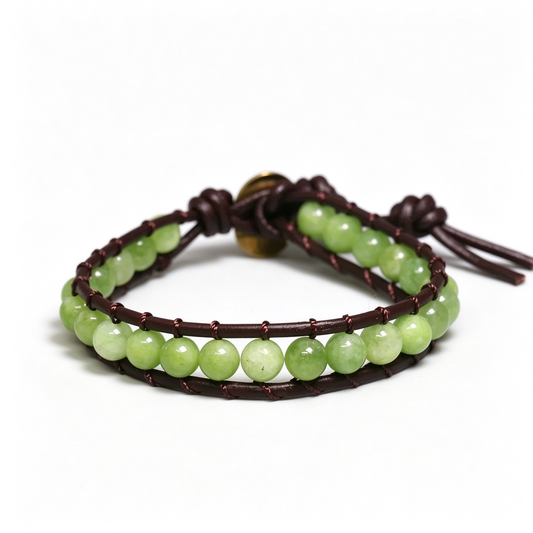
A delicate chain bracelet may work with casual and dressy clothing, while a bangle can create a more defined look.
Consider whether you type, write, work with your hands, or wear a watch throughout the day. If a bracelet gets in the way, you may not wear it very often, regardless of how attractive it looks.
Comfort and practicality are part of choosing versatile jewelry.
Rings That Fit Your Routine
Rings can be an important part of a capsule collection, but you don't need to own several.
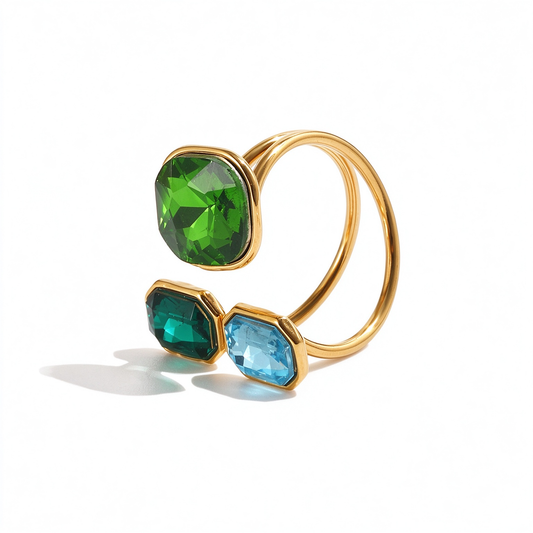
A simple band or understated ring may work with different outfits. If you enjoy wearing multiple rings, choose designs that feel comfortable together and don't interfere with your daily activities.
Think about whether you prefer one noticeable ring or several smaller pieces.
If you wear rings regularly, make sure they fit properly and suit the activities you do throughout the day.

4. Choose Jewelry That Works With Your Actual Clothes
One of the most common mistakes when building a jewelry capsule is choosing pieces based on an imagined wardrobe rather than the one you have.
You might buy a dramatic necklace because you picture wearing it with elegant dresses, even though most of your week involves jeans, sweaters, and simple tops.
That doesn't mean you should never buy jewelry for special occasions. It simply means your everyday collection should reflect your everyday life.
Take a look at the clothes you wear most often.
For Jeans and Casual Tops
Simple hoops, small studs, and delicate necklaces can add detail without making a casual outfit feel too dressed up.
A bracelet can also work well if you like wearing accessories on your wrist.
For example, a pair of gold hoops might be enough to make a plain white T-shirt and jeans feel more intentional. You don't necessarily need a necklace and several bracelets as well.
For Workwear
If you regularly wear blouses, knit tops, tailored trousers, or blazers, consider jewelry that complements those pieces.
Small earrings, a simple pendant, or a clean-lined bracelet can work across different outfits.
If your workplace has a dress code, take that into account. You may prefer understated pieces during the week and save larger accessories for evenings or weekends.
For Dresses
Think about the necklines and details of the dresses you own.
A delicate necklace may work with a V-neck dress, while earrings might be a better choice for a high neckline.
You don't need a separate jewelry set for every dress. Look for pieces that complement several outfits rather than only one.
For Evenings and Special Occasions
Your capsule can include one or two pieces that feel a little more distinctive.
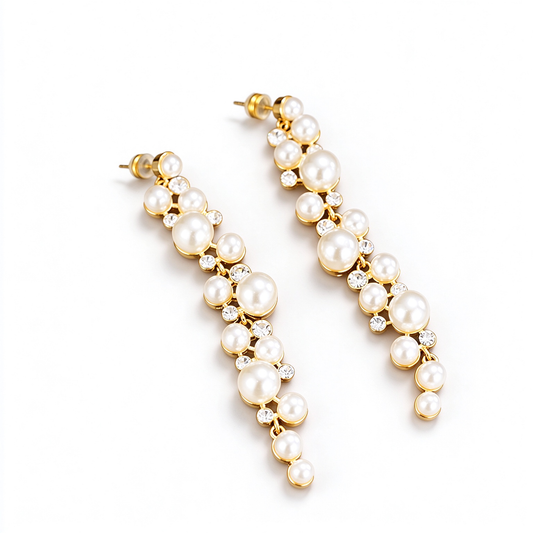
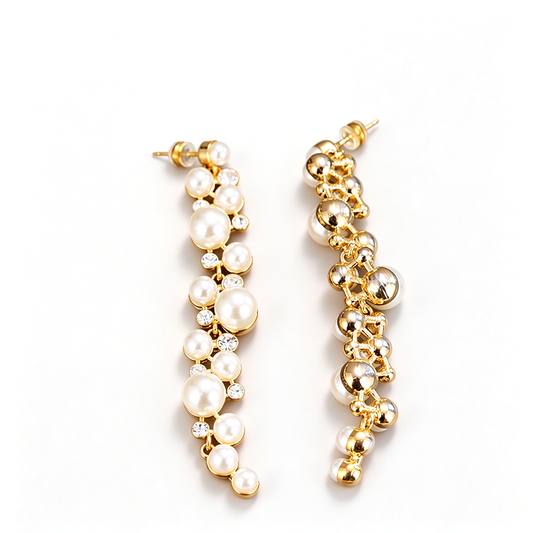
These might be drop earrings, a more noticeable pendant, or a bracelet that adds interest to a simple dress.
The idea is to have something available when you want to dress up without building an entire collection around occasions that happen only a few times a year.
5. Look for Pieces That Can Be Worn in More Than One Way
Versatility is one of the most useful qualities in a jewelry capsule.
A piece doesn't need to be plain to be versatile. It simply needs to work with more than one outfit or setting.
Before buying something, ask yourself a few questions:
-
Can I wear it with at least three outfits I already own?
-
Does it work for more than one occasion?
-
Can I combine it with jewelry I already have?
-
Will I feel comfortable wearing it for several hours?
-
Does it suit my personal style, or am I buying it because it looks good on someone else?
These questions can help you distinguish between jewelry you genuinely want to wear and jewelry that appeals to you only in a product photo.
For example, a simple pair of gold hoops may work with a sweater, a work outfit, and a dress. A very elaborate pair of earrings might be perfect for a particular event but less useful for everyday wear.
Both types of jewelry can have a place in your collection. The difference is knowing what role each piece plays.
6. Decide How Many Pieces You Actually Need
There is no universal number for a jewelry capsule wardrobe.
Some people are happy with a handful of everyday pieces. Others enjoy having more choices while still keeping their collection manageable.
Rather than starting with a fixed number, begin with the outfits and occasions you need to cover.
For example, a simple capsule might include:
-
Two pairs of everyday earrings.
-
One pair of earrings for dressier occasions.
-
One or two necklaces with different lengths or styles.
-
One bracelet.
-
One or two rings, if you enjoy wearing them.
This is an example, not a rule. You may need fewer pieces, or you may want more variety in one category.
If you rarely wear bracelets, there is no reason to buy one just to complete the list. If earrings are your favorite accessory, it makes sense to give that category more space.
The best capsule is the one that reflects your habits rather than someone else's checklist.
7. How to Avoid Buying Jewelry You Won't Wear
A smaller, more useful collection is built through better buying decisions, not simply through buying fewer things.
Before adding a new piece, think about why you want it.
Don't Buy Something Just Because It's Trending
Trends can introduce you to styles you might enjoy, but they shouldn't determine every purchase.
If you prefer understated jewelry, you don't need to buy oversized statement earrings simply because they're popular.
A trend is worth exploring when it genuinely fits your taste.
Don't Buy Several Pieces That Do the Same Job
If you already own three pairs of nearly identical everyday hoops, another similar pair may not add much to your collection.
Before buying, consider whether the new piece offers something different in a useful way.
That doesn't mean you can never own similar jewelry. If you wear a particular style almost every day, having more than one option may make sense.
The question is whether the purchase adds value to your collection.
Check the Product Details
When shopping online, look beyond the product photograph.
Check the stated materials, dimensions, necklace length, earring size, and care instructions. A piece may look larger or smaller in a photograph than it does in real life.
If you're buying jewelry with a particular finish, make sure you understand what the product is made from and how it should be cared for.
You can learn more about the differences between gold-plated, gold-filled, and solid gold jewelry before deciding which type suits your needs.
Give Yourself Time Before Buying
If you're unsure about a piece, save it and come back to it later.
You may find that you still want it after a few days. You may also realize that you were attracted to the photograph rather than the piece itself.
A little time can help you make more deliberate choices, especially when you already own plenty of jewelry.
8. Keep Your Jewelry Collection Easy to Use
Even a well-chosen collection can become frustrating if everything is tangled together or difficult to find.
You don't need an elaborate jewelry organizer. The main goal is to make it easy to see what you own and reach for the pieces you actually wear.
Keep frequently worn jewelry somewhere accessible. Store necklaces separately to reduce tangling, and keep earrings together so you can find both pieces quickly.
Occasion-specific jewelry can be stored separately if you don't use it often.
It's also worth checking your collection occasionally. If a clasp is damaged, a necklace needs cleaning, or you have forgotten about a favorite pair of earrings, dealing with those small issues can make your existing jewelry more useful.
For more practical advice, see our guide to storing jewelry without tangling or damaging it.
9. A Simple Way to Build Your Capsule Over Time
You don't need to replace your entire jewelry collection in one shopping trip.
A gradual approach is often more practical.
First, identify your everyday favorites. These are the pieces you already wear without thinking much about it.
Next, look for gaps. Perhaps you have plenty of earrings but no necklace that works with your most frequently worn tops. Or maybe you have everyday jewelry but nothing you like wearing to dinner.
Then, choose one piece that fills a real need. Avoid buying several items simply because they are part of a suggested capsule list.
Finally, wear the new piece with your existing clothes. Notice how often you reach for it and whether it works with the jewelry you already own.
Over time, you'll learn which styles genuinely fit your wardrobe.
Your collection can also change as your life changes. A new job, a different dress code, or a shift in personal style may affect which pieces you wear most often.
A jewelry capsule isn't something you have to get right once and keep forever. It's a collection you can adjust as your needs change.
Final Thoughts
A jewelry capsule wardrobe isn't about following a strict number or owning only minimalist pieces. It's about making sure the jewelry you own works with the clothes you wear and the life you lead.
Start with your current favorites, identify what is missing, and choose new pieces only when they fill a real need.
You may discover that you don't need much more jewelry at all. You simply need a collection that's easier to wear, easier to combine, and more closely matched to your personal style.
When your jewelry works with your wardrobe, getting dressed becomes simpler—and the pieces you already own get more use.
Étiquettes:
Précédent
How to Choose Jewelry Gifts for Her: By Budget, Style, and Occasion
Suivant
How to Tell If Jewelry Is Good Quality Before You Buy
Articles connexes

How to Choose Jewelry for a V-Neck Dress
Nov 04 2026



How to Choose Jewelry for a Black Dress
Oct 30 2026

How to Choose Jewelry for a Wedding Guest Outfit
Oct 29 2026


How to Choose Jewelry for Sensitive Skin
Oct 26 2026