

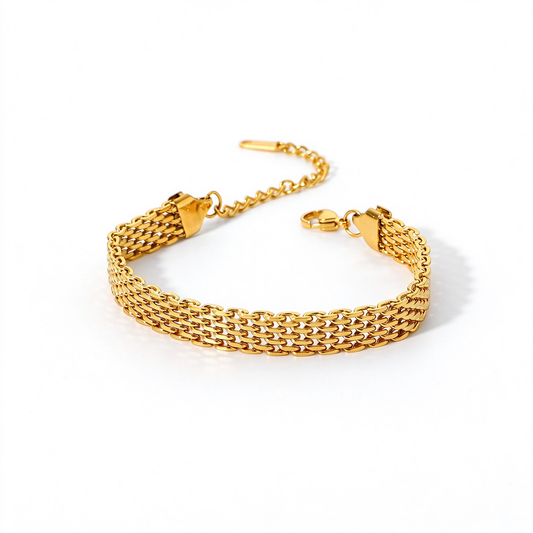

How to Store Jewelry Without Tangling or Damaging It
You take off a necklace at the end of the day, set it down beside your earrings, and plan to put everything away later. By the next morning, the necklace is tangled around another chain, one earring is missing its partner, and the ring you wanted to wear has disappeared into the bottom of a drawer.
If this sounds familiar, your jewelry collection probably doesn't need a complicated storage system. It just needs a little organization.
The way you store jewelry can make a difference in how easy it is to find, wear, and care for your pieces. Keeping items separated helps reduce tangles and scratches, while choosing the right storage method for each type of jewelry can help prevent avoidable damage.
Here's how to organize your jewelry at home and keep it in better shape when you're traveling.

Why Jewelry Shouldn't Be Stored in One Big Pile
It may seem harmless to drop all your jewelry into a bowl or drawer, especially if you only own a few pieces. But chains can wind around one another, earring posts can scratch other items, and heavier pieces can press against more delicate designs.
Different materials and shapes also have different storage needs. A fine necklace doesn't need the same space as a rigid bangle, and a pair of earrings is easier to find when the two pieces stay together.
You don't need to buy an expensive jewelry organizer to solve these problems. Small pouches, divided compartments, and a few simple habits can make a noticeable difference.
The aim is to give each piece a place where it won't easily tangle with, rub against, or get lost among other items.
How to Store Necklaces Without Tangling Them
Necklaces are often the most frustrating pieces to organize because their chains can twist together even when they look neatly arranged.
Keep Each Necklace Separate
The simplest way to reduce tangling is to avoid storing several loose necklaces in the same compartment.
You can place individual necklaces in separate soft pouches or use a jewelry organizer with divided sections. If you prefer a drawer, small compartments can help keep chains apart.
For fine chains, make sure the clasp doesn't get caught around another necklace. Fastening the clasp before putting the piece away may help keep the chain from forming loose loops around other items.
Should You Hang Necklaces or Lay Them Flat?
Both methods can work, depending on the necklace and your available space.
Hanging necklaces on a suitable organizer makes it easy to see each piece and pick one without disturbing the others. However, make sure the hooks are secure and the necklaces aren't crowded together.
Laying necklaces flat in separate compartments or pouches is another practical option, particularly for delicate chains or pieces with pendants.
Whichever method you choose, avoid putting several fine chains together in a single small space. Even a drawer that looks tidy at first can become tangled when you move things around.
If tangled chains are a recurring problem, read our guide to [keeping necklaces from tangling] for more specific tips.
How to Store Earrings So You Don't Lose a Pair
Earrings are small enough to disappear easily, especially when they're taken off in a hurry.
Keep Pairs Together
Store each pair in its own compartment or pouch. If your earrings have removable backs, keep those pieces with the earrings so you don't have to search for them later.
For studs, a dedicated earring holder or a divided jewelry box can make it easier to see which pairs you own.
Hoops and drop earrings may need a little more space, particularly if they have delicate hooks or decorative parts that could catch on other pieces.
Give Delicate Earrings Room
Avoid dropping several pairs of earrings into a single pocket or drawer compartment. Posts, hooks, and decorative elements can become tangled or scratched when they rub against other jewelry.
If you use a fabric-lined jewelry box, check that the earrings sit securely in their slots and that the backs aren't pressing against other pieces.
A simple rule helps: when you take off a pair, return both earrings to the same place rather than leaving one on a nightstand and the other in a bathroom drawer.
How to Store Rings Without Scratching Them
Rings are generally easy to organize because they don't have long chains, but storing them loosely together can still cause problems.
A ring holder or a jewelry box with individual slots keeps rings separated and makes them easier to find.
If you store rings in a drawer, use a divided insert or small compartments rather than letting them roll around together. This is especially useful for rings with raised settings or decorative details that could catch on other jewelry.
You should also avoid piling heavier rings on top of delicate designs. Even when two rings look sturdy, repeated contact can leave scratches or damage decorative elements.
If you have several rings you wear regularly, keep your everyday pieces in an easy-to-reach place and store occasional pieces separately. That way, you won't need to move your entire collection every time you get dressed.
How to Store Bracelets Without Damaging Them
Bracelets vary considerably in shape, so the best storage method depends on whether the piece is flexible or rigid.
Chain Bracelets
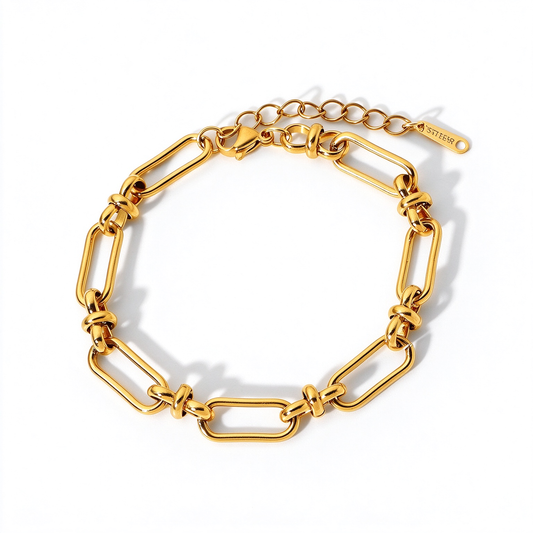
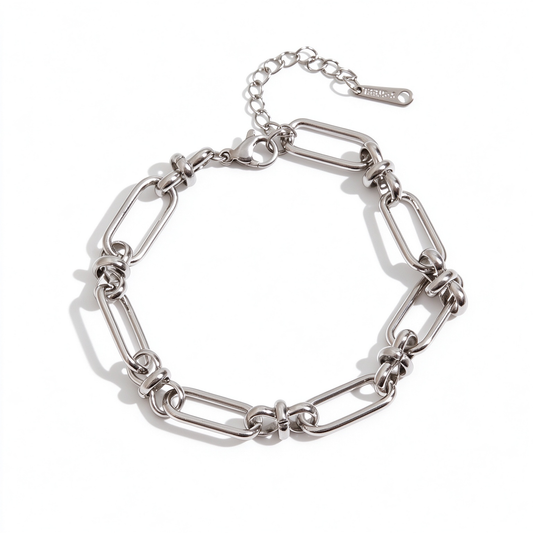
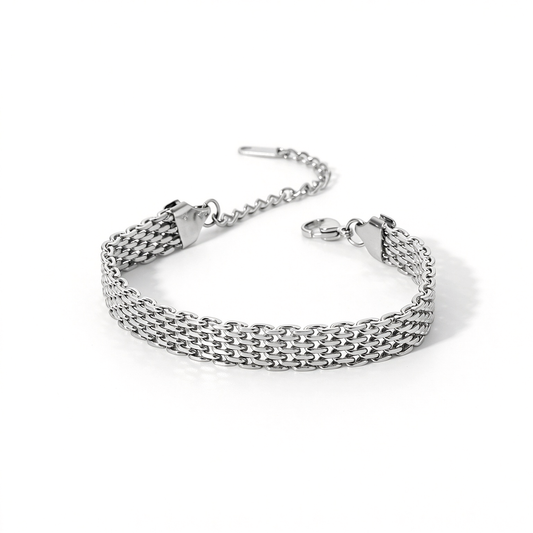
Store chain bracelets separately from necklaces and other chains whenever possible. Their smaller size can make them easy to overlook, but they can still become tangled.
A small compartment or individual pouch works well for most flexible chain bracelets. Fasten the clasp before storing the piece if doing so helps keep the chain together.
Bangles and Cuff Bracelets
Rigid bangles and cuffs usually need more room than delicate chains. A compartment that allows them to sit without being squeezed or stacked tightly is a practical choice.
Avoid forcing an adjustable cuff into a smaller space or repeatedly bending it to make it fit. Depending on its construction, repeated bending can change its shape or weaken the metal.
If you own bracelets with decorative details, keep them separate from pieces that could rub against or catch on those details.
How to Choose a Jewelry Storage Organizer
A good jewelry organizer doesn't have to be expensive or take up much room. The most useful one is the one that fits your collection and makes it easy to put pieces away consistently.
Before buying an organizer, think about what you actually own.
If you have lots of necklaces: Look for individual hooks, separated compartments, or enough space to lay chains flat.
If you mostly wear earrings: Choose an organizer with secure earring holders or small divided sections.
If you own many rings: Look for ring slots or a divided insert that prevents them from rolling around together.
If you have a mixed collection: A jewelry box with several types of compartments may be more practical than one large open tray.
If space is limited: A compact organizer with separate pouches can work well inside a drawer or wardrobe.
Pay attention to the lining, too. A smooth, clean interior is preferable to a rough surface that could snag delicate chains or decorative elements.
You don't need to display every piece. If you prefer a tidy room, a closed jewelry box or drawer organizer can keep your collection accessible without leaving it out in the open.

Where Should You Keep Jewelry at Home?
The best place to store jewelry is somewhere clean, dry, and away from unnecessary handling.
A bedroom drawer or closet shelf can work well if the storage area stays dry and the jewelry is protected from dust and accidental knocks.
Try not to leave jewelry scattered across bathroom counters or beside sinks. Frequent exposure to moisture, soap, and personal care products can make cleaning more difficult and may affect some jewelry finishes.
Avoid placing jewelry where it can easily be knocked onto a hard floor or caught in clothing. If you share a space with children or pets, choose a storage location where small pieces and loose components won't be easily reached or swallowed.
For everyday convenience, you might keep the pieces you wear most often in one accessible compartment and store occasional jewelry separately.
How to Pack Jewelry for Travel
Travel creates a different set of problems. Jewelry can shift around in luggage, chains can tangle during transit, and small pieces can be difficult to find when you're getting ready away from home.
A little preparation can make packing much easier.
Choose the Jewelry Before You Pack
Instead of bringing your entire collection, choose a few pieces that work with the clothes you've planned to wear.
Think about which necklaces, earrings, rings, or bracelets you'll realistically use. Packing fewer pieces means fewer items to organize and fewer opportunities for something to go missing.
If you're traveling for a special event, pack the jewelry you need for that occasion separately from your everyday pieces.
Use Separate Pouches or Compartments
Place individual pieces in separate pouches or compartments inside a jewelry travel case.
Keep necklaces apart from other chains, and store earrings as pairs. Rings can go in small ring slots or individual pouches, while rigid bracelets should have enough room that they aren't forced against other items.
Avoid tossing loose jewelry into the same pocket as coins, keys, chargers, or other objects that could scratch or catch on it.
Keep Valuable Pieces Secure
For jewelry that is particularly valuable or difficult to replace, consider whether you really need to bring it.
If you do travel with it, use a secure storage method and avoid leaving it unattended in an easily accessible location. Keep important pieces with you when practical, and check your storage case before leaving a hotel or rental.
For air travel, keep jewelry you would be upset to lose in your personal item rather than placing it in checked luggage.
Can You Store Different Types of Jewelry Together?
You can keep different types of jewelry in the same box, but it's best to give them separate compartments or pouches rather than letting everything touch.
For example, a necklace and a ring can share a larger jewelry box as long as the chain can't wrap around the ring or the ring can't scratch the pendant.
The same principle applies to earrings and bracelets. A shared organizer is fine; a pile of loose pieces is less practical.
Material also matters. Different metals and finishes may have different care requirements, so follow the product's care instructions rather than assuming every piece can be stored or cleaned in the same way.
For broader guidance on maintaining your collection, read our article on [caring for your jewelry and keeping it looking beautiful].
Common Jewelry Storage Mistakes to Avoid
Even a well-organized collection can be damaged by a few everyday habits.
Leaving necklaces tangled in a drawer: Separate chains before putting them away instead of waiting until you want to wear them.
Stacking every piece together: Crowded storage makes it easier for jewelry to rub against other items or catch on decorative details.
Leaving jewelry beside a sink: Water, soap, and cleaning products can come into contact with pieces you meant to store safely.
Forcing jewelry into a small compartment: If a bracelet or necklace has to be bent or compressed to fit, choose a larger space.
Ignoring damaged clasps: A loose or damaged clasp may make a piece harder to store securely and easier to lose when worn.
Assuming all jewelry needs the same care: Check the material and care instructions for each piece, particularly if your collection includes different metals and finishes.
Small changes to these habits can make your collection easier to manage over time.
A Simple Jewelry Storage Routine
You don't need to reorganize your entire collection every day. A short routine can help keep things manageable.
When you take off your jewelry, return each piece to its designated place. Keep pairs of earrings together, separate chains, and avoid leaving small pieces on surfaces where they can be knocked away.
Every so often, check your organizer for tangled chains, loose clasps, missing earring backs, or pieces that have ended up in the wrong compartment.
If you notice tarnishing or changes in a piece's finish, check the material-specific care guidance before cleaning it. Our guide to [keeping jewelry from tarnishing] explains some of the factors that can affect the appearance of jewelry over time.
The goal isn't to create a perfect display. It's to make sure you can find your favorite pieces, put them away easily, and avoid damage that could have been prevented.
Keep Your Jewelry Organized and Ready to Wear
A useful jewelry storage system doesn't have to be elaborate. Separate compartments, individual pouches, and a consistent place for each piece can solve many of the everyday problems that come with a growing collection.
Start with the items that cause the most frustration. If your necklaces tangle, separate the chains. If you keep losing earrings, give each pair a dedicated spot. If you're preparing for a trip, pack only what you plan to wear and keep the pieces protected.
A little organization makes it easier to enjoy the jewelry you already own—and spend less time untangling, searching, and replacing things.
Tags:
Previous
How to Choose Jewelry for Sensitive Skin
Next
How to Choose Jewelry for a Wedding Guest Outfit
Related articles

How to Choose Jewelry for a Wedding Guest Outfit
Oct 29 2026

How to Choose Jewelry for Sensitive Skin
Oct 26 2026

How to Choose a Necklace for Your Body Type
Oct 25 2026


