





Why Do My Earrings Hurt? Common Reasons and What to Try
You put on your favorite earrings before leaving the house, and everything feels fine. A few hours later, your earlobes start to ache. Maybe the backs feel too tight, your ears become itchy, or the earrings feel heavier than you expected.
It's frustrating, especially when you like the way a pair looks and don't want to stop wearing it.
But earrings can cause discomfort for different reasons. The problem might be their weight, the way they fit, the metal they're made from, or irritation around the piercing itself. Figuring out what you're experiencing is the first step toward deciding what to do next.

1. Your Earrings May Be Too Heavy
One of the simplest reasons earrings hurt is their weight.
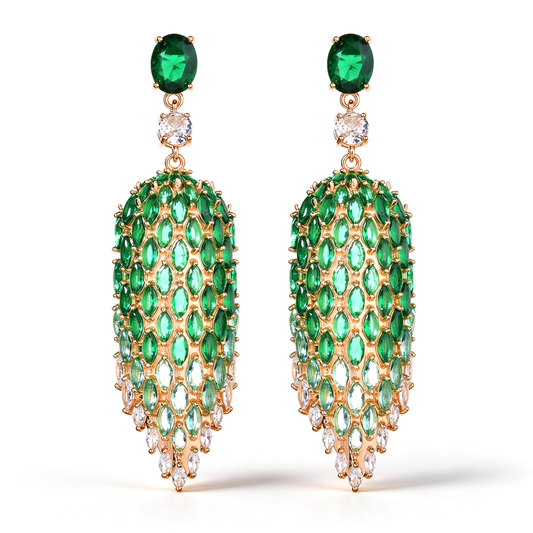
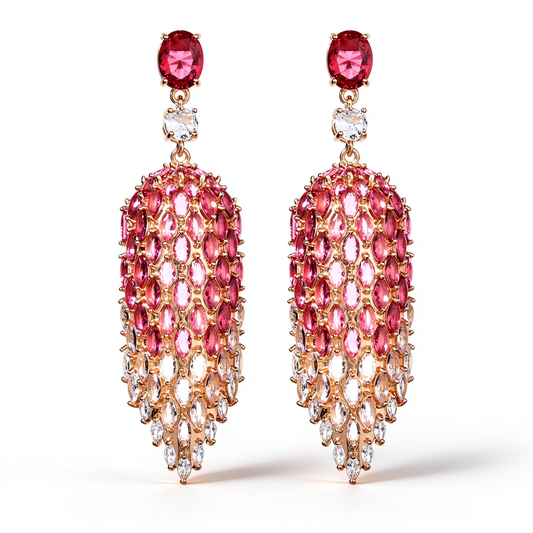
A pair can look small in a product photo but feel surprisingly heavy after several hours. Larger hoops, chunky studs, and long drop earrings can put more pressure on your earlobes, particularly if you wear them throughout the day.
You might notice soreness after taking the earrings off, or feel that your earlobes are being pulled downward while you're wearing them.
If the discomfort seems related to weight, try switching to a lighter pair and see whether the problem improves. Small studs and lightweight hoops can be easier choices for long days.
You don't have to give up statement earrings altogether. It may simply help to save heavier designs for shorter occasions rather than wearing them from morning until night.
If an earring has stretched or torn your earlobe, or the area is persistently painful, have it assessed by a healthcare professional.
2. The Earring Backs May Be Too Tight
Sometimes the problem isn't the earring itself. It's the way the backing sits against your ear.
If the back is pressed tightly against the earlobe, it can create pressure and leave the area feeling sore. This can happen when a stud is pushed too far forward or when the backing is fastened too firmly.
Check how the earring sits when you put it on. The backing should hold the earring securely without squeezing your earlobe.
If the earring feels pinched, don't keep tightening it in an attempt to make it more secure. Adjust it gently if you can do so without pain, or remove it if the pressure continues.
Different earring styles use different closures, and some may feel more comfortable than others. When shopping for everyday earrings, pay attention to the fastening style as well as the design.
If a backing appears embedded in the skin or cannot be removed easily, don't force it out yourself. Seek medical care.
3. The Metal May Be Irritating Your Skin
If your ears become itchy, red, or irritated after wearing earrings, the metal may be part of the problem.
Nickel is a common cause of allergic contact dermatitis. Some people develop a reaction where jewelry touches their skin, including around pierced ears. Symptoms can include itching, redness, a rash, and swelling.
The important thing to know is that metal sensitivity can develop even if you've worn earrings for years without a problem.
If you suspect a reaction, stop wearing the earrings that seem to trigger it. Check the product's material information before choosing a replacement.
Terms such as "gold-tone" and "gold-plated" describe appearance or construction, not necessarily the metal underneath. They don't automatically mean a piece is nickel-free. If you have sensitive ears, look for clear information about the materials used in the parts that touch your skin.
You may want to ask a dermatologist about possible metal allergies, especially if the problem keeps returning. A clinician can help determine whether the symptoms are consistent with contact dermatitis and whether allergy testing is appropriate.
how to clean gold-plated jewelry

4. Your Piercing May Be Irritated
Sometimes earrings are blamed when the piercing itself is the source of discomfort.
A piercing can become irritated by repeated movement, pressure while sleeping, frequent handling, or earrings that rub against the surrounding skin. Hair, clothing, and headphones can also catch on earrings and tug at the piercing.
If your piercing is new or not fully healed, it may need particular care. Avoid repeatedly removing, twisting, or changing jewelry while the area is healing, and follow the aftercare instructions provided by a qualified piercing professional or healthcare provider.
For an established piercing, consider whether anything has changed recently. Have you started wearing heavier earrings? Have you been sleeping in them? Is the earring catching on your hair or clothing?
If the area is becoming increasingly painful, hot, swollen, or red, or you notice pus or other concerning discharge, seek medical advice. Fever or spreading redness can be signs of a more serious infection and warrant prompt care.
Don't assume that every irritated piercing simply needs a different pair of earrings.
5. Your Earrings May Not Suit Your Daily Routine
An earring can be comfortable for an evening out but less comfortable during a full day of work, errands, or travel.
Long drop earrings may catch on hair or scarves. Large hoops can get pulled when you change clothes. Even a pair that feels fine while you're standing still may become annoying when you're moving around all day.
Think about when the discomfort starts and what you're doing at the time.
-
Pain after several hours: Weight or prolonged pressure may be contributing.
-
Discomfort when you move your head or hair: The earrings may be catching or pulling.
-
Soreness where the backing touches your ear: The fit or closure may need attention.
-
Itching or a rash around the piercing: Skin irritation or a metal allergy may be involved.
These patterns can offer clues, but they don't establish a diagnosis.
For everyday wear, look for earrings that are lightweight, sit comfortably, and don't catch easily on your hair or clothes. If a particular style repeatedly causes discomfort, it's reasonable to choose another design.
How to Choose Earrings for Everyday Wear
6. What Should You Do When Your Earrings Hurt?
The right next step depends on the symptoms and whether the piercing is fully healed.
If the Earrings Feel Too Heavy or Tight
Remove the earrings if you can do so comfortably, and give your ears a break. When you try another pair, choose something lighter and make sure the backing isn't pressing tightly against the earlobe.
If the pain continues after removing the earrings, or the skin appears damaged, seek professional advice.
If Your Ears Feel Itchy or Develop a Rash
Stop wearing the suspected earrings and avoid putting them back in to see whether the reaction happens again.
Check the material details before choosing another pair. If the rash persists, returns frequently, or is accompanied by significant swelling, consult a healthcare professional.
Avoid applying harsh cleaners, alcohol, or unverified home remedies to irritated skin or a piercing.
If the Piercing Looks Infected
Increasing pain, warmth, swelling, spreading redness, or pus should not be treated as a simple jewelry-fit problem.
Seek medical advice promptly. If you suspect an infection, don't automatically remove jewelry from a piercing without guidance from a healthcare professional, because the appropriate approach can depend on the situation.
If the earring is embedded, the swelling is severe, or you have fever or rapidly spreading redness, seek urgent medical care.

7. How to Choose Earrings That Feel Better
If you regularly experience discomfort, a few practical checks can make your next purchase easier.
Look for clear material information. Don't rely on color or a general description alone. If you have a known metal allergy, check whether the seller can identify the metals used in the post and other parts that contact your skin.
Pay attention to weight. Lightweight earrings may be more comfortable for all-day wear, especially if you prefer hoops or drop designs.
Check the closure. Look at how the earrings fasten and whether the backing can be adjusted comfortably without becoming loose.
Consider your routine. If you work long hours, wear headphones, or frequently tie your hair back, simple studs or small hoops may be easier to live with.
Don't ignore repeated discomfort. A pair of earrings shouldn't have to hurt for you to get used to wearing it. If the same problem keeps happening, take a closer look at the fit, material, and condition of the piercing.
If you're unsure what is causing the symptoms, a dermatologist or another qualified healthcare professional can help you work it out.
How to Care for Your Jewelry and Keep It Looking Beautiful
Final Thoughts
Earrings should be something you enjoy wearing, not something you keep adjusting because your ears hurt.
Sometimes the answer is straightforward: a backing is too tight, or a pair is heavier than it first appeared. In other cases, skin sensitivity or a problem with the piercing may need more attention.
Pay attention to the type of discomfort, stop wearing earrings that seem to trigger a reaction, and don't ignore persistent pain or signs of infection.
When you're ready to choose another pair, prioritize a comfortable fit, manageable weight, and clear material information. A beautiful design is much more useful when you can wear it comfortably.
Explore Ever P. Jewelry to discover everyday styles that suit your personal taste and routine.
Étiquettes:
Précédent
How to Choose Earrings for Everyday Wear
Suivant
Why Does My Ring Spin Around on My Finger?
Articles connexes

How to Choose Jewelry for a Wedding Guest Outfit
Oct 29 2026


How to Choose Jewelry for Sensitive Skin
Oct 26 2026

How to Choose a Necklace for Your Body Type
Oct 25 2026


