




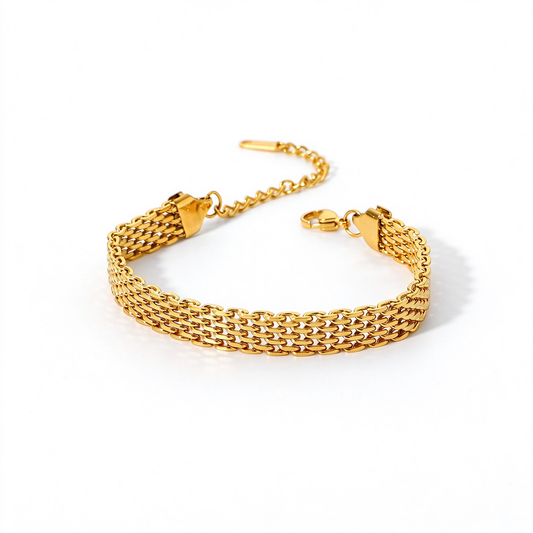

Gold vs. Silver Jewelry: How to Choose What Looks Best on You
If you've ever stood in front of a jewelry display and wondered, “Should I get this in gold or silver?”, you're not alone.
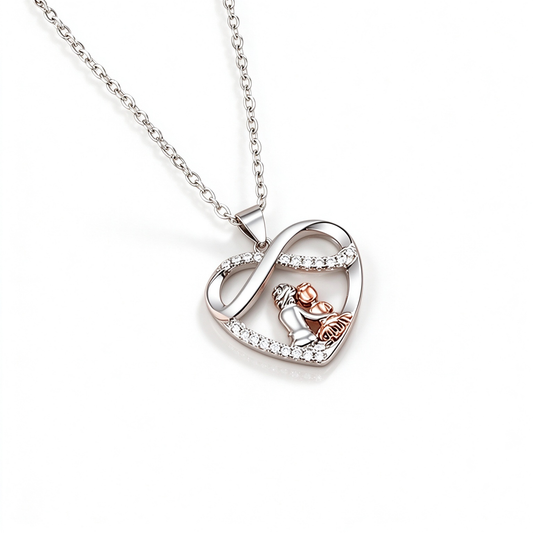
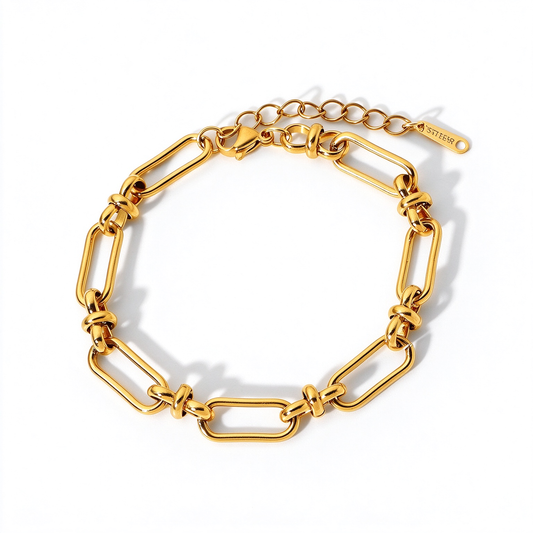
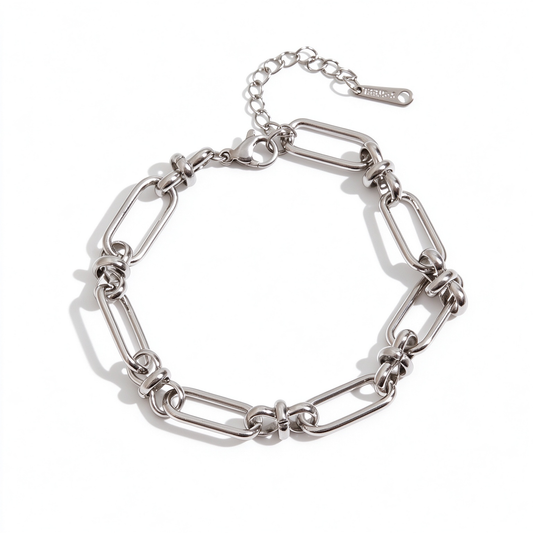
Gold and silver can create completely different impressions, even when the jewelry itself has the same shape.
Gold tends to feel warm, soft, and a little more noticeable. Silver often feels cool, clean, and understated. But choosing between them isn't really about following a strict fashion rule.
Your skin tone can be a helpful starting point. Your wardrobe matters, too. So does your personal style—and honestly, which metal you naturally reach for when you're getting dressed.
The good news is that you don't have to choose one metal forever.
Here's how to figure out whether gold or silver jewelry works better for you, and how to wear both if you like them equally.
Gold vs. Silver Jewelry: What's the Difference?
Before getting into skin tone and undertones, it helps to look at the overall feeling each metal creates.
Gold jewelry has a warm appearance. It can make a simple outfit feel a little softer or more polished, and it tends to stand out against neutral clothing.
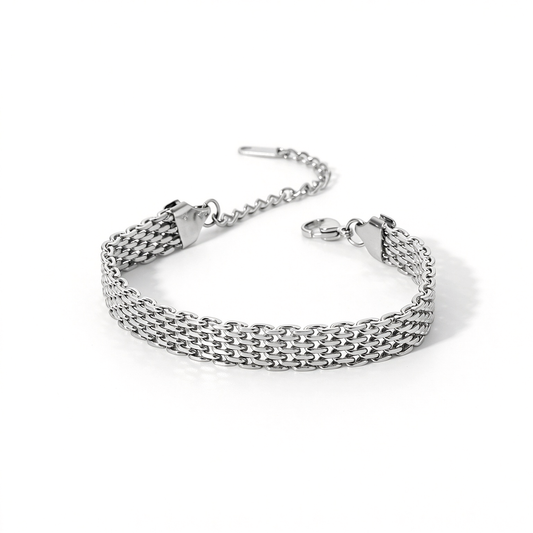
Silver jewelry has a cooler appearance. It often gives an outfit a cleaner, more modern feel without drawing quite as much attention.
Neither is automatically better.
Think about the difference between a delicate gold necklace and the same necklace in silver. The design hasn't changed, but the overall mood can feel completely different.
That's why the right choice often comes down to the look you're trying to create.
Does Your Skin Tone Matter?
Yes—but probably not as much as some jewelry rules make it sound.
You've probably heard that warm skin tones should wear gold and cool skin tones should wear silver.
There's some logic behind this. Warm undertones can naturally complement the warmth of gold, while cooler undertones can work beautifully with silver.
But it's not a hard rule.
People can have neutral undertones, and even within the same general skin tone, different shades of gold and silver can look completely different.
Your wardrobe, hair color, makeup, and personal preferences also affect how a piece looks on you.
So instead of asking:
“What metal am I supposed to wear?”
Try asking:
“Which one makes me like the way I look?”
That's a much more useful question.
How to Tell If You Have Warm, Cool, or Neutral Undertones
If you want to use your skin's undertone as a starting point, there are a few simple ways to get a general idea.
Look at the veins on your wrist
In natural daylight, look at the veins on the inside of your wrist.
If they appear more green, you may have warm undertones.
If they look blue or purple, you may have cool undertones.
If it's difficult to tell, you may have neutral undertones.
This isn't a scientific test, so don't worry if the answer isn't obvious.
Think about which colors flatter you
You can also look at the colors you naturally like wearing.
Warm neutrals such as:
- Cream
- Camel
- Beige
- Brown
- Warm olive
- Terracotta
often pair beautifully with gold jewelry.
Cooler colors such as:
- Crisp white
- Gray
- Navy
- Black
- Cool blue
- Lavender
can create a natural pairing with silver.
But again, this is a styling guide—not a rulebook.
If you love gold with a black sweater, wear gold with a black sweater.
The Easiest Way to Compare Gold and Silver
If you're still unsure, don't overthink it.
Try the jewelry on.
Ideally, compare gold and silver in natural daylight. Artificial indoor lighting can change how both your skin and the metal appear.
Put a gold necklace or pair of earrings next to a silver version.
Then look at your face rather than the jewelry itself.
Ask yourself:
- Does one make my skin look more even?
- Does one make my eyes stand out?
- Does one feel more natural with my hair color?
- Does one look better with the colors I normally wear?
- Which one would I actually reach for tomorrow morning?
That last question matters more than people think.
The best everyday jewelry isn't necessarily the one that technically matches your undertone.
It's the one you actually enjoy wearing.
Gold vs. Silver Jewelry and Your Wardrobe
Your closet can tell you a lot about which metal might work best for you.
Take a quick look at the clothes you wear most often.
If your wardrobe is filled with warm neutrals, soft browns, cream, beige, tan, and earthy colors, gold jewelry can fit into that palette very naturally.
If you wear a lot of black, gray, white, denim, navy, or cooler colors, silver can create a clean contrast.
But there's another way to look at it.
Your jewelry doesn't always need to match your clothes.
Sometimes contrast is exactly what makes an outfit interesting.
For example, a simple black sweater with warm gold earrings can look intentional because the jewelry adds warmth.
Likewise, silver jewelry with a cream sweater can create a subtle contrast that feels modern and relaxed.
So instead of matching everything perfectly, think about harmony.
Gold Jewelry: When It Works Especially Well
Gold is a natural choice if you like jewelry that feels warm and noticeable without necessarily being bold.
It can work especially well with:
- Cream sweaters
- Beige and camel coats
- Brown leather accessories
- Warm neutrals
- Denim
- Simple black outfits
- Soft feminine dresses
- Minimalist everyday looks
Gold also works beautifully when you want your jewelry to become part of the outfit rather than simply blend into it.
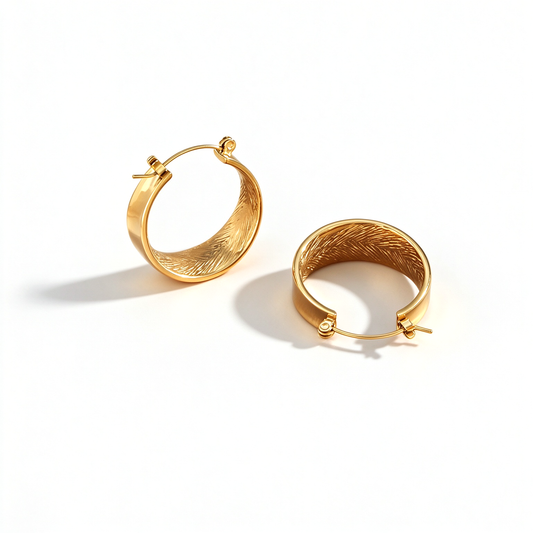
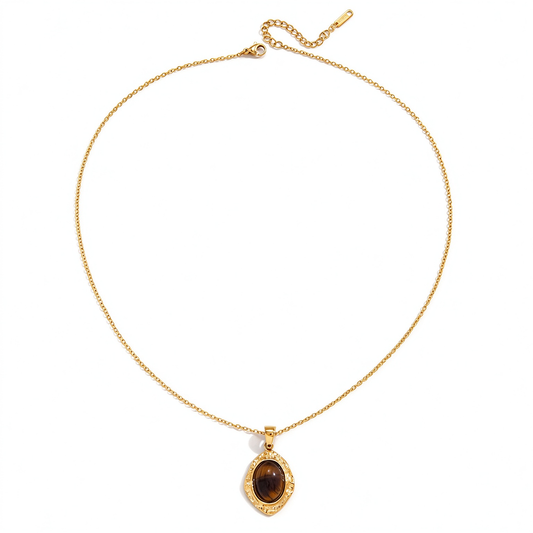
A small gold hoop, a delicate necklace, or a simple gold ring can add warmth to an otherwise very basic outfit.
And you don't need a lot of it.
Sometimes one gold piece is enough.
If you enjoy wearing gold, you may also like our guide to [How to Wear Gold Jewelry Without Overthinking It].
Silver Jewelry: When It Works Especially Well
Silver has a naturally clean and understated quality.
It's a great option if your style leans toward:
- Minimalism
- Modern basics
- Black and white outfits
- Gray
- Denim
- Cool neutrals
- Simple tailoring
- Contemporary pieces
Silver can also be a great choice when you don't want your jewelry to be the first thing people notice.
A simple silver chain or small pair of earrings can add polish without changing the overall feel of an outfit.
It's especially easy to wear when your clothing already has a cooler color palette.
What If Both Gold and Silver Look Good on You?
That's actually a good thing.
If both metals work well with your skin and wardrobe, you don't need to pick a side.
You can choose based on the outfit, the occasion, or simply your mood.
Maybe gold feels right with your cream sweater and jeans.
Maybe silver feels better with a black dress.
Maybe you prefer gold during the summer and silver during the winter.
There doesn't need to be a complicated reason.
Your jewelry collection should work with your life.
Can You Wear Gold and Silver Jewelry Together?
Absolutely.
Mixing gold and silver jewelry used to be treated as a fashion mistake. Today, it can look completely intentional.
The key is making the combination feel connected rather than accidental.
One simple way is to repeat both metals.
For example:
- A gold necklace with a silver necklace
- Gold earrings with a silver ring
- A silver bracelet with a gold watch
- Several rings that combine both metals
You can also use one mixed-metal piece to connect everything.
The goal isn't perfect symmetry.
It's simply to make the combination look like you meant to do it.
If you already enjoy layering necklaces, this can be an easy way to experiment. You can also read [How to Layer Necklaces Without Looking Overdone] for more ideas.
Don't Choose Jewelry Based Only on Your Skin Tone
This is probably the biggest thing to remember.
Skin undertone can help you narrow things down, but it shouldn't make the decision for you.
Imagine someone with a warm undertone who loves black clothing, silver watches, and minimalist accessories.
Telling her that she “should” only wear gold doesn't really make sense.
Jewelry is part of personal style.
And personal style is about more than color theory.
The jewelry you wear should feel like something you'd naturally choose—not something you were told you were supposed to wear.
Think About the Jewelry You Already Own
Here's another easy way to decide.
Open your jewelry box.
What do you already have?
If most of your favorite pieces are gold, there's probably a reason.
Maybe you like how gold looks against your skin. Maybe it works with most of your clothes. Maybe you simply like the warmer look.
The same applies to silver.
Your existing jewelry collection can reveal your preferences better than a quick undertone test.
And if you're slowly building your collection, it's usually easier to start with the metal you'll wear most often.
You can always add the other one later.
For more ideas on building a versatile collection, take a look at [How to Build a Simple Jewelry Collection].
Gold or Silver: What Should You Choose for Everyday Jewelry?
If you're buying a piece specifically for everyday wear, think beyond how it looks in the product photo.
Ask yourself:
What do I wear most days?
What colors dominate my closet?
Which metal do I already own?
Do I prefer warm or cool-looking accessories?
Do I want my jewelry to stand out or blend in?
Which one feels more like me?
If you answer those questions honestly, the decision usually becomes much easier.
And if you're still stuck between the two, choose the piece you can imagine wearing three times a week.
That's usually a better investment than choosing based on a single outfit.
There's No Need to Pick a Permanent Side
Gold vs. silver jewelry doesn't have to be a lifelong decision.
Your style changes.
Your wardrobe changes.
The way you dress for work may be different from how you dress on the weekend.
You may prefer delicate gold jewelry one year and find yourself reaching for silver the next.
That's completely normal.
Instead of trying to find the one metal you're “supposed” to wear, build a collection that reflects how you actually dress.
Start with the metal you naturally love.
Add the other one when you find a piece you can't stop thinking about.
And if you eventually wear both together?
Even better.
Final Thoughts
When choosing between gold and silver jewelry, skin undertone can be a useful starting point—but it shouldn't be the final answer.
Look at your wardrobe. Consider your personal style. Try both metals in natural light. Pay attention to what you already reach for.
Most importantly, notice which one makes you feel good when you put it on.
Because the best jewelry isn't the one that follows the most rules.
It's the one that feels like you.
Étiquettes:
Précédent
How to Layer Necklaces Without Looking Overdone
Suivant
How to Choose the Right Necklace Length for Your Style
Articles connexes

How to Choose Jewelry for a Wedding Guest Outfit
Oct 29 2026


How to Choose Jewelry for Sensitive Skin
Oct 26 2026

How to Choose a Necklace for Your Body Type
Oct 25 2026


