




Can You Sleep With Jewelry On? What to Know
You've had a long day, you're already comfortable in bed, and then you remember you never took off your necklace. It's tempting to leave it on and deal with it in the morning.
Doing that once usually isn't a big deal. But if you regularly sleep in your jewelry, it's worth thinking about which pieces you're wearing and how they might hold up overnight.
Some jewelry can get caught in bedding, some pieces may feel uncomfortable when you lie down, and repeated friction can affect certain finishes over time. The best bedtime routine doesn't have to be complicated. It starts with knowing which pieces are better left on your nightstand.
Is It Okay to Sleep With Jewelry On?
For most everyday jewelry, taking it off before bed is the safer habit.
The main concerns are usually practical rather than dramatic. A chain can become tangled, an earring can press against your ear, or a ring can catch on fabric while you move in your sleep. Over time, repeated rubbing against bedding can also contribute to wear, especially on jewelry with delicate details or plated finishes.
That doesn't mean one night of sleeping in a necklace will ruin it. If you occasionally fall asleep wearing your favorite pieces, there's no need to panic.
What matters more is whether the jewelry is comfortable, secure, and suitable for being worn overnight. If a piece has sharp edges, loose parts, a fragile setting, or a clasp that catches easily, take it off before getting into bed.
Should You Take Off Your Necklace Before Sleeping?
In most cases, yes.
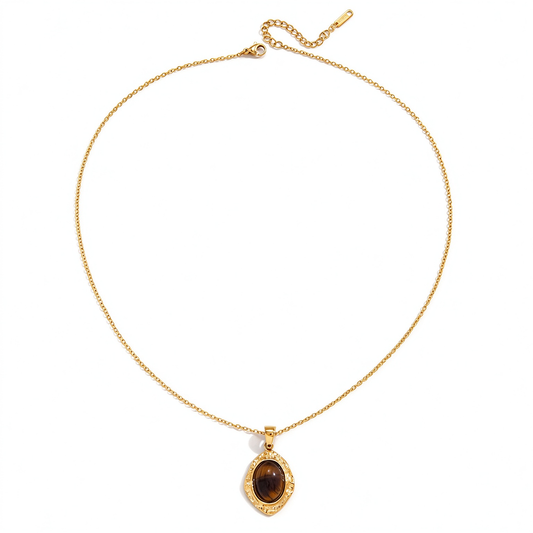
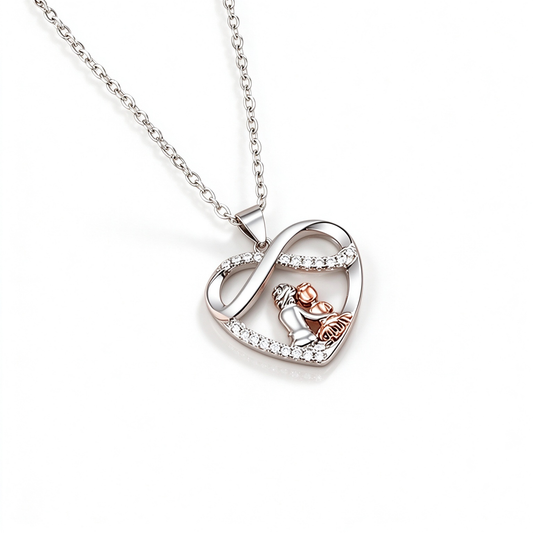
Necklaces can shift as you turn over during the night. Fine chains may twist or tangle, while pendants and clasps can catch on pillowcases, blankets, or hair.
Longer necklaces may move around more than short chains, but even a delicate necklace that sits close to the collarbone can become twisted while you sleep.
If you wear a necklace every day, taking it off at night also gives you a chance to check the clasp and chain before putting it away.
A simple habit: Open the clasp gently, remove the necklace without pulling on the chain, and place it in a separate compartment or on a jewelry dish. For especially fine chains, fastening the clasp before storing the necklace can help keep it from tangling.
If you love wearing a particular necklace every day, you can still enjoy it from morning to evening without needing to sleep in it.

Is It Safe to Sleep With Earrings On?
It depends on the earrings and how you sleep.
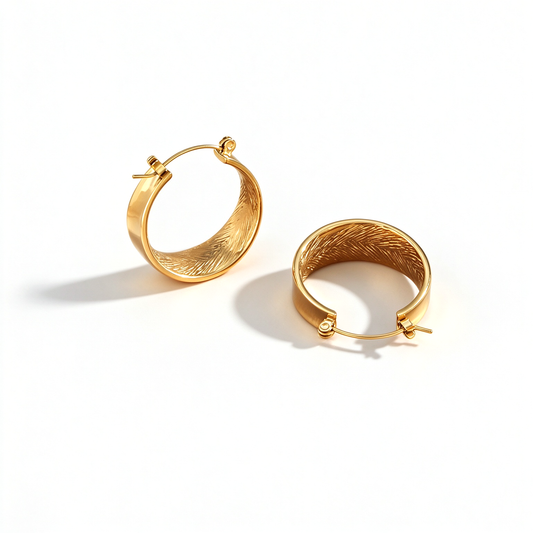
Small, lightweight studs may feel comfortable for some people, while larger hoops, long drop earrings, and heavy statement earrings are more likely to get in the way.
Side sleepers may notice earrings pressing against their ears when their head rests on a pillow. That pressure can become uncomfortable, especially with larger backs or earrings that extend away from the earlobe.
There is also a chance that earrings may catch on hair, bedding, or clothing as you move.
If you have recently had your ears pierced, follow the aftercare instructions provided by your piercer or healthcare professional. Fresh piercings may need appropriate jewelry to remain in place during healing, so don't remove it simply because it's bedtime unless your aftercare guidance says to do so.
For healed piercings, removing earrings before sleep is a straightforward way to reduce pressure and snagging. If you prefer to leave small studs in, make sure they fit comfortably and don't press into your skin when you lie down.

Can You Sleep With Rings On?
Rings can be comfortable enough during the day but feel different when you're lying down or moving your hands under the covers.
A ring that already fits snugly may feel tighter at certain times, including when your fingers are temporarily swollen. Decorative settings and raised stones can also catch on bedding or scratch nearby surfaces.
If a ring has delicate prongs, a raised setting, or an intricate design, removing it before bed can help reduce unnecessary contact and snagging.
For everyday bands, the decision may come down to fit and comfort. If your ring leaves deep marks, feels tight, or is difficult to remove, don't force it. If swelling is sudden or the ring becomes stuck, seek appropriate medical help rather than trying to pull it off aggressively.
When you do remove a ring, keep it somewhere consistent, such as a small jewelry dish on your bedside table. That makes it easier to find in the morning and less likely to be misplaced.

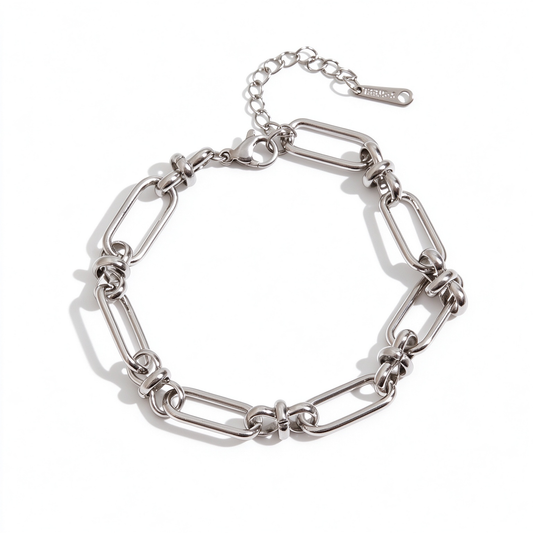
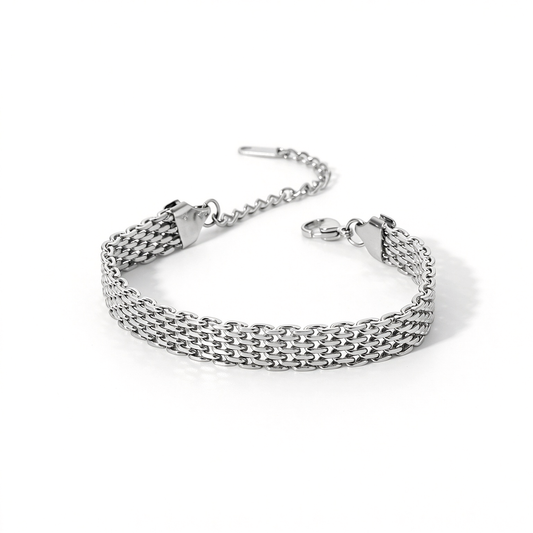
What About Bracelets and Anklets?
Bracelets and anklets are easy to forget because you may barely notice them during the day.
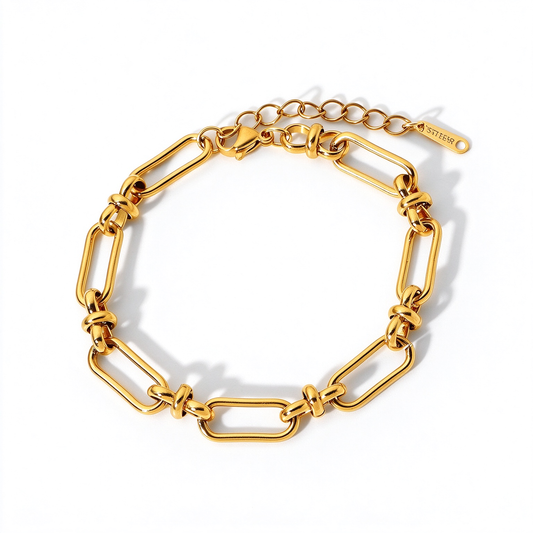
At night, though, chains and dangling charms can catch on sheets or blankets. A rigid bangle may also feel uncomfortable when your wrist is pressed against a mattress or pillow.
Before bed, check whether the piece has loose links, sharp edges, or dangling details that could snag. If it does, remove it and store it safely.
For delicate chain bracelets, avoid pulling them off by one end. Open the clasp carefully and place the piece flat or in a separate compartment so it doesn't become tangled with other jewelry.
Does Sleeping in Jewelry Damage It?
It can contribute to wear, but the amount depends on the material, finish, design, and how often you wear it overnight.
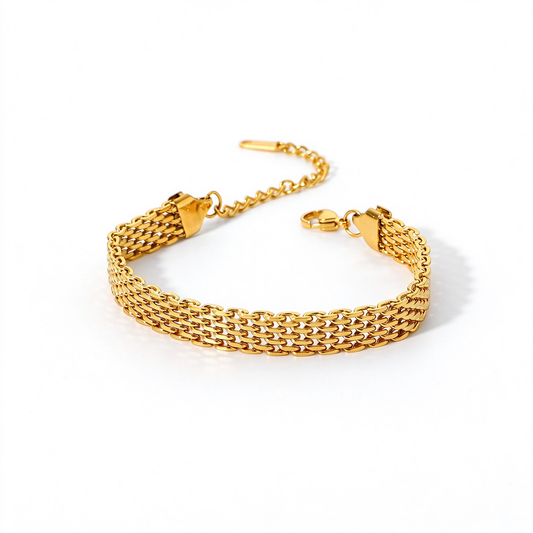
Gold-plated jewelry has a thin gold surface layer over another material. Repeated friction against bedding, along with contact with skin oils and skincare products, may gradually wear that finish.
Solid gold jewelry doesn't have the same thin surface layer, but it can still be scratched or damaged by repeated contact. Settings, clasps, and delicate chains also need care regardless of the metal.
Stainless steel is generally resistant to rust and corrosion, but a gold-tone coating or other decorative finish may need more careful handling than the underlying steel.
Jewelry with pearls or delicate gemstones deserves particular attention because some materials are more sensitive to abrasion, pressure, or contact with personal care products.
If you want your jewelry to last, taking it off before bed is a simple precaution. It won't prevent every kind of wear, but it reduces unnecessary friction and makes it easier to inspect your pieces regularly.
How to Care for Your Jewelry and Keep It Looking Beautiful?
A Simple Bedtime Routine for Your Jewelry
You don't need a special organizer or a complicated system. A few small habits are enough to make nighttime jewelry care easier.
1. Remove jewelry before getting too comfortable. Make it part of your evening routine, just like taking off your makeup or changing into sleepwear.
2. Check for residue. If you've worn jewelry all day, gently wipe away skin oils and everyday residue with a soft, clean cloth. Follow the care instructions for the specific material.
3. Store pieces separately. Keep necklaces from tangling with one another, and place rings and earrings somewhere they won't easily fall onto the floor.
4. Keep your storage spot consistent. A small dish or jewelry box beside your bed makes it easier to remember where everything belongs.
5. Check delicate pieces occasionally. Look for loose clasps, bent links, or settings that seem to have changed. If something looks damaged, avoid wearing it until it has been checked or repaired.
These habits take only a little time and can make your everyday jewelry easier to care for.
How to Keep Necklaces From Tangling: Simple Tips That Actually Help
What If You Forgot to Take Your Jewelry Off?
It happens. If you wake up and realize you slept in your jewelry, simply remove it and check that everything looks and feels normal.
Untangle any twisted chains slowly instead of pulling them apart. Check earrings for bent posts or loose backs, and look over rings and bracelets for any obvious damage.
If your jewelry is damp from sweat or skincare products, gently dry it using a method suitable for its material. Avoid harsh cleaners or abrasive cloths, particularly on plated finishes and delicate stones.
There's no need to assume your jewelry is damaged just because you wore it overnight. The point of removing jewelry before bed is to reduce avoidable wear over time, not to worry about the occasional forgotten necklace.
Make Taking Off Your Jewelry Part of Your Routine
Jewelry is meant to be enjoyed, not turned into another thing to worry about.
You can wear your favorite necklace, earrings, rings, and bracelets throughout the day and still give them a little extra care at night. Taking them off before bed helps prevent tangles, reduces pressure on delicate pieces, and gives you a chance to store them properly.
Start with the pieces that are most likely to get caught or feel uncomfortable. Once removing them becomes part of your evening routine, it won't feel like an extra chore.
Sometimes, keeping jewelry in good condition is less about doing more and more about knowing when to take it off.
Tags:
Previous
Can You Shower With Jewelry? What You Should Know
Next
Why Does Jewelry Make My Skin Itch? Common Causes and What to Do
Related articles

How to Choose Jewelry for a Wedding Guest Outfit
Oct 29 2026


How to Choose Jewelry for Sensitive Skin
Oct 26 2026

How to Choose a Necklace for Your Body Type
Oct 25 2026


