

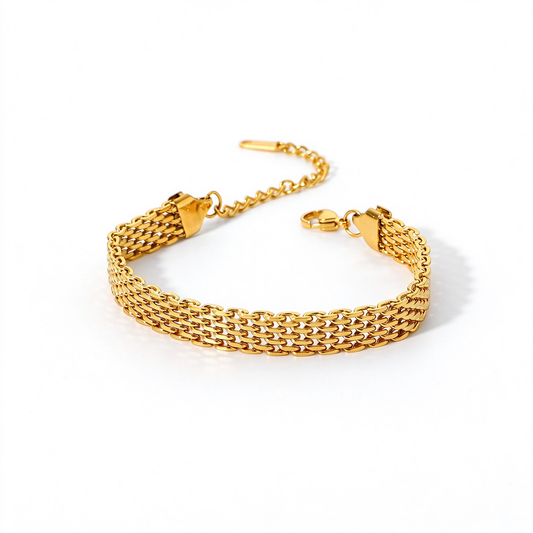

Can You Shower With Jewelry? What You Should Know
You get home, get ready for bed, and realize you still have your necklace and earrings on. Is it really a problem to leave them on in the shower?
The answer depends on what your jewelry is made of. Some materials handle occasional water exposure well, while others can lose their finish or become dull with repeated contact with water and personal care products.
If you love wearing the same pieces every day, here's what to know about showering with jewelry and how to keep your favorite pieces looking their best.

Can You Shower With Jewelry On?
Sometimes, yes. But if you want your jewelry to stay in good condition for as long as possible, taking it off before showering is usually the safer habit.
Water alone isn't always the main concern. Shampoo, conditioner, body wash, and the friction that comes with washing and drying can leave residue or gradually affect certain finishes. Hot water and steam can also make cleaning and drying jewelry more difficult.
The type of jewelry matters, too. Solid gold, unplated stainless steel, and gold-plated jewelry don't all respond to moisture in the same way.
If you aren't sure what a piece is made of, it's best to remove it before showering rather than assume it's water-resistant.
How Showering Affects Different Types of Jewelry
Gold-Plated Jewelry
If you wear gold-plated necklaces, rings, bracelets, or earrings, it's best to take them off before showering.
Gold-plated jewelry has a thin layer of gold over another metal. With repeated exposure to water, soap, shampoo, and friction, that surface layer can gradually wear down. Once the finish starts to change, the color underneath may become more noticeable.
One shower won't necessarily ruin your jewelry. The bigger concern is making regular water exposure part of your daily routine.
To help preserve the finish, put your jewelry on after showering and applying your skincare products. Give your skin time to dry before putting your pieces back on.
how to clean gold-plated jewelry
Solid Gold Jewelry
Solid gold jewelry generally handles moisture better than gold-plated jewelry because its gold content isn't limited to a thin surface layer.
Even so, wearing solid gold in the shower isn't always ideal. Soap and shampoo can leave residue around chains, clasps, and stone settings. Other metals mixed into gold alloys may also respond differently to chemicals and repeated exposure.
If you occasionally forget to remove a solid gold necklace, there's usually no need to panic. For regular care, though, taking it off before showering makes cleaning and maintaining it easier.

Stainless Steel Jewelry
Uncoated stainless steel is generally resistant to rust and corrosion, making it more tolerant of water than many other jewelry materials.
However, not every stainless steel piece is finished in the same way. Gold-tone stainless steel jewelry may have a surface coating or plating that needs more care than the underlying steel itself.
If the finish or coating isn't clearly identified, removing the piece before showering is a sensible precaution. This is especially true for jewelry you want to keep looking its best over time.
Sterling Silver Jewelry
Sterling silver can be exposed to water, but regular showering isn't the best way to care for it.
Silver can tarnish through reactions with substances in the environment, and residue from personal care products may affect its appearance. Leaving jewelry damp or storing it before it has dried can also make proper care more difficult.
Take sterling silver pieces off before showering when possible. If they get wet, dry them gently with a soft cloth before putting them away.
Jewelry With Pearls or Delicate Stones
Extra care is needed with pearls and certain delicate or porous gemstones.
Pearls have a surface that can be affected by chemicals, cosmetics, and repeated exposure to moisture. Some gemstones may also be sensitive to heat, sudden temperature changes, or cleaning products.
For these pieces, avoid showering with them. If you're unsure how to care for a particular stone, check the care instructions for that specific material instead of treating all gemstones alike.
What About Shampoo, Soap, and Conditioner?
It's easy to assume that water is the main thing to avoid, but the products you use in the shower matter as well.
Shampoo and conditioner can leave a film on jewelry, especially around small links and settings. Body wash and other products may also leave residue that makes metal look less bright.
There is another issue: jewelry can catch on hair, washcloths, or clothing while you're getting ready. Chains may tangle, clasps may loosen, and small pieces can easily slip down the drain.
Removing your jewelry before showering helps avoid these everyday problems, even when the material itself is relatively resistant to water.
What If You Accidentally Shower With Your Jewelry On?
Don't worry. One accidental shower doesn't automatically mean your jewelry is damaged.
Here's what to do:
-
Remove the jewelry. Take it off once you realize it's still on.
-
Check for residue. Look for soap or conditioner around chains, clasps, and settings.
-
Dry it gently. Use a clean, soft cloth and avoid aggressive rubbing, particularly on plated finishes.
-
Let it dry completely. Make sure moisture isn't trapped around clasps or decorative details.
-
Store it properly. Put the piece away in a dry place, separated from other jewelry to help prevent scratches and tangling.
If the piece is visibly discolored, peeling, or damaged, avoid using abrasive cleaners or trying to polish the finish away. Check the manufacturer's care instructions before attempting further cleaning.

A Simple Routine for Everyday Jewelry Care
You don't need an elaborate routine to take good care of your jewelry. A few small habits can make a difference.
Put jewelry on last. Apply perfume, lotion, sunscreen, and other personal care products first. Let them dry before wearing your pieces.
Take it off before showering. This reduces repeated exposure to soap, shampoo, and moisture.
Remove jewelry before swimming. Pool chemicals and salt water can be harder on jewelry finishes and some gemstones. Jewelry can also slip off in the water and be difficult to recover.
Wipe pieces after wearing. A soft, dry cloth can help remove fingerprints, skin oils, and everyday residue.
Store pieces separately. Keep jewelry dry and separated to reduce scratches, tangles, and unnecessary wear.
For gold-plated pieces in particular, these habits can help preserve the finish for longer.
So, Should You Take Your Jewelry Off Before Showering?
For most everyday fashion jewelry, yes. It's a simple habit that helps reduce unnecessary exposure to water, soap, and friction.
Some materials are more water-resistant than others, and accidentally getting a piece wet isn't usually a reason to panic. But water-resistant doesn't necessarily mean maintenance-free, especially when a piece has a plated or coated finish.
If you're attached to a necklace you wear every day, giving it a little extra care is worth the effort. Take it off before showering, let your skin and jewelry dry properly, and put it back on when you're ready.
Beautiful jewelry doesn't have to be complicated to care for. Often, it's the small habits you repeat every day that help keep it looking good.
Tags:
Previous
How to Choose Jewelry for Different Necklines
Next
Can You Sleep With Jewelry On? What to Know
Related articles

How to Choose Jewelry for a Wedding Guest Outfit
Oct 29 2026


How to Choose Jewelry for Sensitive Skin
Oct 26 2026

How to Choose a Necklace for Your Body Type
Oct 25 2026


