







How to Tell If Jewelry Is Good Quality Before You Buy
Buying jewelry online can be tricky. A necklace might look beautiful in a product photo, but you may still wonder whether the chain will hold up, whether the finish will last, or whether the piece will look the way you expect when it arrives.
Price alone won't tell you whether a piece is well made. Neither will a polished product photo or a description filled with words like "premium" and "luxury."
The better approach is to look at the details. Materials, construction, finishing, product information, and the seller's policies can all help you make a more informed decision.
Whether you're shopping for everyday earrings, a necklace to wear regularly, or an affordable piece to add to your collection, here's what to check before you buy.

1. Start With the Materials, Not the Marketing
One of the first things to check is what the jewelry is actually made of.
A product description should tell you more than just the color or general appearance of a piece. Look for specific information about the metal, any plating, and the materials used for decorative elements.
For example, gold-colored jewelry can be made using several different material constructions. Solid gold, gold-filled, and gold-plated jewelry are not the same, even when they look similar in a photograph.
If you're unfamiliar with these differences, our guide to gold-plated, gold-filled, and solid gold jewelry explains what each term means and what to consider when choosing between them.
What to look for in a product description
Before purchasing, check whether the listing explains:
-
Base metal: What metal is used underneath the finish?
-
Surface finish: Is the piece gold-plated, silver-plated, or finished another way?
-
Decorative materials: Are the stones, pearls, or other embellishments clearly identified?
-
Allergy information: Does the seller provide relevant details about nickel or other metals that may matter to you?
-
Care instructions: Are there recommendations for cleaning, storage, and everyday wear?
Not every listing will provide every detail, but the more clearly a seller explains the product, the easier it is to understand what you're buying.
Be cautious when a listing uses terms such as "gold jewelry" without explaining whether the piece is solid gold, gold-filled, or gold-plated. A gold color is not proof of a particular metal composition.
It's also worth remembering that a more expensive piece isn't automatically better made. The materials, construction, and intended use all matter.
Once you've chosen a piece, proper care can help you maintain its appearance. Read our guide on how to care for your jewelry and keep it looking beautiful for practical tips on cleaning and storage.
2. Examine the Clasp, Chain, and Small Details
A piece of jewelry can look attractive from a distance and still have details that deserve a closer look.
Closures, connectors, chain links, and attachment points are especially useful places to examine because they affect how the piece is handled and worn.
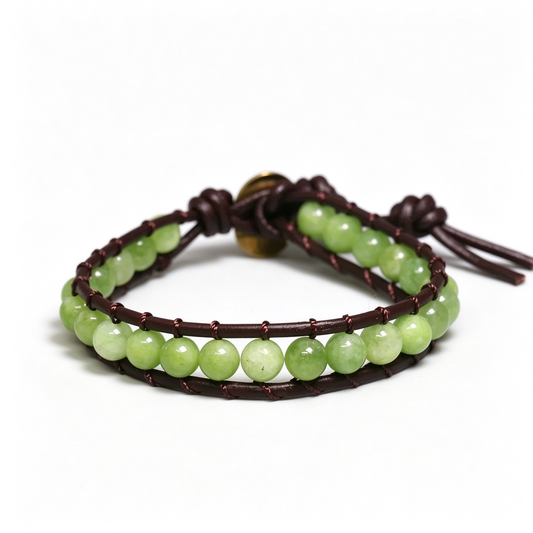
For necklaces and bracelets
Check the following details when the product photos allow you to see them:
-
Clasp design: Is the closure clearly shown, and does it look appropriate for the style and size of the piece?
-
Chain links: Do the links appear reasonably consistent, without obvious gaps or irregular shapes?
-
Connecting rings: Do the small rings connecting the chain, clasp, and pendant look properly aligned?
-
Pendant attachment: Does the pendant hang naturally, or does the connection appear awkward?
-
Extension chain: If the necklace or bracelet is adjustable, is the extension chain clearly shown and described?
A lobster clasp, spring-ring clasp, or another closure style can work well depending on the design. No single clasp type guarantees quality. What matters is whether the closure is suitable for the piece and appears to be properly constructed.
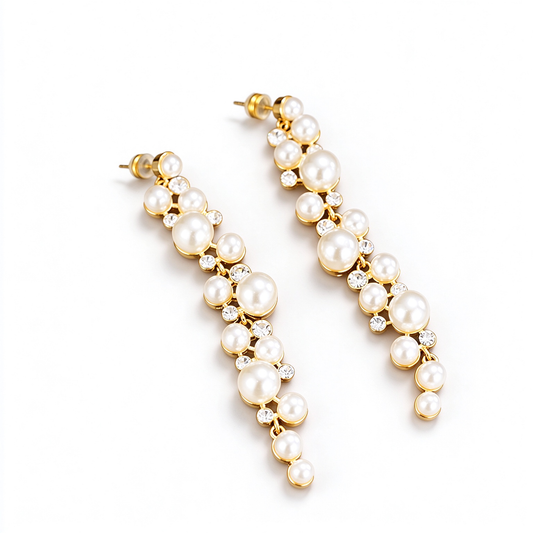
For earrings
Pay attention to the posts, backs, hooks, or other fastening mechanisms.
The product listing should make the earring's fastening style clear. If you're shopping for earrings you plan to wear often, comfort and ease of use matter just as much as appearance.
For stud earrings, look for clear photos of the posts and backs when available. For hoops and drop earrings, check how the closure works and whether the design appears secure.

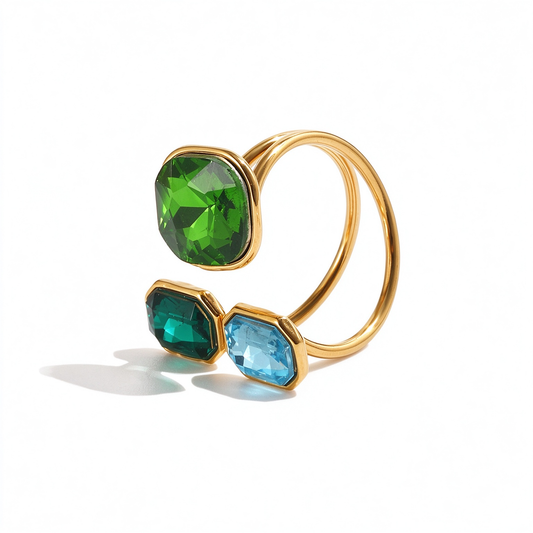
For rings
Look closely at the band, the shape of the setting, and any visible decorative details.
If a ring includes stones, examine how they sit within the setting. Clear photos may help you spot obvious inconsistencies, but they cannot confirm whether a stone is securely set.
A well-presented product listing should give you enough information to understand the ring's design, dimensions, and materials before ordering.
One important point: Product photos can reveal useful details, but they cannot tell you everything about construction. If an important area isn't shown, consider asking the seller for a closer photo rather than assuming the piece is well made.
3. Look at the Finish and Overall Craftsmanship
The finish of a piece can tell you something about the attention given to its appearance.
In clear, close-up photographs, look for a reasonably even surface and a consistent finish. Check whether the edges, curves, and decorative elements appear neatly finished.
Potential warning signs include:
-
Visible rough edges or uneven surfaces.
-
Obvious discoloration in areas that should have a consistent finish.
-
Decorative elements that appear crooked or poorly aligned.
-
Visible residue or marks that seem unrelated to the intended design.
-
Noticeably inconsistent shapes in pieces that are supposed to match.
Keep the limitations of product photography in mind. Lighting, reflections, image compression, and editing can all affect how a surface looks on screen.
A highly polished photograph does not prove that a piece is well made. At the same time, a simple design or understated finish does not automatically mean the jewelry is poor quality.
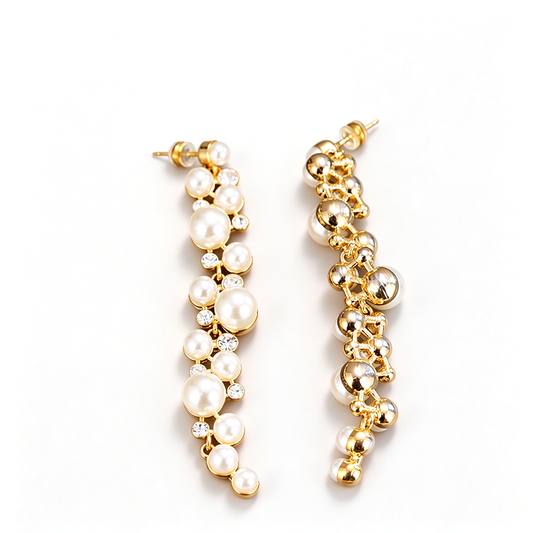
For earrings sold as a pair, check whether both pieces appear consistent in shape, size, and color. For necklaces with multiple decorative elements, look for a balanced arrangement and clean-looking connections.
These are useful clues, not guarantees. When a detail is difficult to judge, look for additional photos or ask the seller for clarification.
4. Check Whether the Product Description Is Specific
A trustworthy product description should help you understand the item without making you guess.
Vague phrases such as "high quality," "premium finish," and "made to last" sound reassuring, but they don't tell you much on their own.
Specific details are more useful.
For example, a listing that gives the necklace length, pendant dimensions, metal construction, and closure type helps you make a more informed decision than one that simply describes the necklace as beautiful and elegant.
Use this quick product-description checklist
Before adding an item to your cart, see whether the listing answers these questions:
-
What materials are used?
-
What are the item's actual dimensions?
-
How much does it weigh, if weight is relevant to the design?
-
What type of clasp, post, or closure does it use?
-
Are the color and finish clearly described?
-
Are there care instructions?
-
Is the product photographed from more than one angle?
-
Are the seller's shipping and return policies easy to find?
You won't always need every answer. For example, weight may be less important for a simple pendant than for a large pair of earrings.
The point is to look for information that helps you decide whether the item suits your needs.
If a seller repeatedly avoids giving basic product details, that's a reason to pause and ask questions before buying.
5. Read Customer Reviews for Specific Details
Customer reviews can help you understand what a product is like outside the seller's photographs.
However, it's more useful to look for specific observations than to focus only on the overall star rating.
A five-star review that says "Love it!" tells you that someone enjoyed the purchase, but it doesn't explain much about the item's construction or everyday wear.
Look for reviews that mention details relevant to the piece you're considering.
What to look for in reviews
Appearance after delivery
Do customers say the item looks similar to the product photos? Are there repeated comments about the color, size, or finish being different from expectations?
Comfort
For earrings and rings, look for comments about fit, weight, fastening, and comfort during normal use.
Construction
Do reviewers mention the clasp, chain, connections, or other parts of the piece? Repeated reports of the same problem deserve attention.
Packaging and delivery condition
Reviews may help you understand how products arrive and whether customers report damage during shipping.
Longer-term experiences
Some customers describe how a piece looks after weeks or months of wear. These reviews can be useful, although individual experiences vary with materials, care habits, skin chemistry, and frequency of use.
Don't rely on one review
One negative review doesn't necessarily mean a product is poor quality, and one enthusiastic review doesn't prove that it will meet your expectations.
Look for patterns across multiple reviews. Repeated reports of broken clasps, missing components, or unexpected discoloration are more informative than an isolated comment.
Also consider whether the reviews appear to describe the exact product or a different size, color, or variation within the same listing.
6. Understand What the Price Does—and Doesn't—Tell You
It's tempting to assume that a higher price means better quality. In reality, price reflects several factors, including materials, labor, design, branding, production methods, and retail costs.
Two pieces that look similar may have very different material compositions. Two pieces made from similar materials may also differ in construction and finishing.
That's why comparing products by price alone can be misleading.
Instead, ask what you're getting for the money.
-
Are the materials clearly identified?
-
Does the design suit the way you plan to wear it?
-
Are the dimensions and construction details provided?
-
Does the seller explain how to care for the piece?
-
Are the return terms reasonable for your purchase?
-
Does the price fit your budget without requiring you to compromise on the details that matter most?
Affordable jewelry can be a good choice when its materials and limitations are clearly explained and it meets your expectations.
Likewise, an expensive item isn't automatically a good purchase if the product information is incomplete or the design doesn't suit your needs.
The best value is not necessarily the cheapest or most expensive option. It's the piece that delivers what you reasonably expect for the price.
7. Consider How You Plan to Wear the Jewelry
Quality isn't just about how a piece looks when it arrives. It's also about whether its materials and design are suitable for your routine.
Think about how often you'll wear it, what you'll wear it with, and how much maintenance you're comfortable doing.
For everyday jewelry
If you want a necklace, bracelet, or pair of earrings you can wear frequently, look for a comfortable design, a suitable closure, clear material information, and care instructions that fit your lifestyle.
If you tend to put your jewelry on and forget about it, be realistic about that habit. Some finishes and materials need more careful handling than others.
For occasional wear
A decorative pair of earrings or a statement necklace may be a good choice for special occasions even if you don't plan to wear it every day.
In this case, appearance, comfort for the intended event, and whether the design works with your wardrobe may matter more than long-term daily durability.
For sensitive skin
If your skin reacts to certain metals, don't rely on color or appearance to determine whether a piece will suit you.
Look for specific material and nickel-related information where available. If a listing doesn't answer your questions, contact the seller before buying.
No material description can guarantee that every person will tolerate a piece of jewelry. If you've had repeated reactions to jewelry, it may help to discuss the issue with a qualified healthcare professional.
Choosing a piece that fits your routine is often more useful than buying something simply because it looks impressive in a photograph.
If you're building a collection for regular wear, our guide on choosing everyday jewelry that matches your personal style can help you narrow down the designs you'll reach for most often.

8. Check the Return Policy Before You Order
Even a detailed product listing can't remove every uncertainty from online shopping.
You may find that a necklace sits differently than expected, that an earring feels heavier than you prefer, or that the color looks different under your own lighting.
Before purchasing, read the seller's return and exchange policy.
Pay particular attention to:
-
The number of days allowed for returns.
-
Whether unused jewelry must remain in its original packaging.
-
Whether earrings or other hygiene-sensitive items are excluded.
-
Whether sale items have different return conditions.
-
Who pays return shipping.
-
Whether refunds, exchanges, or store credit are offered.
Don't assume every jewelry store follows the same rules. Read the actual policy for the store and item you're considering.
Clear policies won't tell you whether the jewelry itself is well made, but they help you understand your options if the item doesn't meet your expectations.
9. Know the Warning Signs Before You Buy
You don't need to be a jewelry expert to recognize when a listing leaves too many unanswered questions.
Consider taking a closer look—or choosing another seller—if you notice several of these issues together:
-
The material description is vague or contradictory.
-
Important dimensions are missing.
-
The listing uses the same generic photo for different products without explaining the differences.
-
There are no useful close-up images of important details.
-
The seller makes broad durability claims without explaining the materials or care requirements.
-
Repeated customer reviews describe the same construction problem.
-
The return policy is difficult to find or unclear.
-
The seller cannot answer reasonable questions about the product.
A single missing detail doesn't automatically mean a product is poor quality. Smaller sellers may have limited photography, and some simple designs don't require extensive technical specifications.
What matters is the overall picture. If the materials are unclear, the photos reveal very little, and the seller won't answer basic questions, you have less information on which to base your decision.
You don't have to take that risk. There are plenty of reasons to move on to another product.
Final Thoughts
Learning how to tell if jewelry is good quality doesn't require specialized equipment or years of experience. It starts with paying attention to the details that are easy to overlook in a product photo.
Check the materials, examine the construction, read the description carefully, and look for useful information from customers and the seller. Most importantly, consider whether the piece suits the way you actually plan to wear it.
A little research before checkout can help you avoid disappointing purchases and choose jewelry you'll feel good about wearing.
At Ever P. Jewelry, we believe choosing jewelry should feel personal, not confusing. Take your time comparing designs, review the product details, and choose pieces that fit your style and expectations.
Tag:
Articoli correlati

How to Choose Jewelry for a V-Neck Dress
Nov 04 2026

How to Build a Jewelry Capsule Wardrobe
Nov 02 2026


How to Choose Jewelry for a Black Dress
Oct 30 2026

How to Choose Jewelry for a Wedding Guest Outfit
Oct 29 2026


How to Choose Jewelry for Sensitive Skin
Oct 26 2026