


How to Choose a Necklace as a Gift
A necklace can be a thoughtful gift for a birthday, anniversary, holiday, or just because. It feels personal without requiring you to know someone's exact size, and it can become a piece they reach for long after the occasion has passed.
But choosing jewelry for someone else isn't always easy. You might know that they wear necklaces, but you may not know whether they prefer gold or silver, delicate chains or noticeable pendants, or short necklaces versus longer styles.
The good news is that you don't need to know every detail of someone's taste to make a good choice. A little observation can tell you more than you might expect.
Here's how to choose a necklace as a gift that feels personal, suits their style, and has a real chance of becoming part of their everyday wardrobe.

1. Start With the Jewelry They Already Wear
Before browsing necklaces, take a look at the jewelry the person wears regularly. Their existing collection is one of the most useful clues you have.
Pay attention to a few details:
-
Simple or statement pieces: Do they usually wear a thin chain with a small pendant, or do they prefer jewelry that stands out?
-
Gold or silver tones: Notice which metal color appears most often in their earrings, bracelets, rings, and necklaces.
-
One piece or several layers: Do they tend to wear a single necklace, or do they combine different chains?
-
Everyday or occasional jewelry: Are their favorite pieces understated enough for work and errands, or do they save jewelry for dinners and special occasions?
You don't have to match their existing jewelry exactly. You're simply looking for a general direction.
For example, someone who wears small gold hoops and a fine chain most days may appreciate another understated gold necklace. Someone who enjoys bold earrings and layered accessories might prefer a pendant with more visual interest.
The goal is to choose something that feels like them, rather than something you would choose for yourself.
2. Choose a Style That Fits Their Everyday Life
A beautiful necklace isn't necessarily a good gift if it doesn't suit the way the recipient dresses.
Think about what they wear on an ordinary day, not just what they might wear to a special event.
For someone who likes a minimalist look
A delicate chain, a small pendant, or a simple geometric design can work well. These styles are easy to pair with different outfits and usually don't demand much thought when getting dressed.
For someone who enjoys classic outfits
A clean, timeless design is a sensible starting point. Consider a simple pendant, a refined chain, or a necklace that complements the jewelry they already own.
For someone who likes more expressive accessories
Look for a distinctive shape, an interesting pendant, or a design with more presence. A gift doesn't have to be understated to be wearable; it just needs to fit the person's taste.
For someone whose style you're unsure about
Keep the design versatile. A simple necklace without an oversized pendant or an unusually specific motif is generally easier to incorporate into an existing wardrobe.
When in doubt, choose a piece that can be worn with several outfits rather than one that only works for a particular occasion.

3. Pay Attention to Necklace Length
Length is easy to overlook when shopping for a gift, but it affects how a necklace looks and feels.
Common necklace lengths include:
-
16 inches: Usually sits close to the base of the neck or around the collarbone, depending on the wearer.
-
18 inches: Often falls around the collarbone or just below it and is a common choice for everyday pendants.
-
20 inches: Typically sits lower on the chest and can work well with relaxed outfits or layering.
-
22 inches or longer: Creates a longer look and may suit larger pendants, higher necklines, or someone who already prefers longer necklaces.
These are general guidelines, not guarantees. Neck size, body proportions, chain design, and pendant dimensions all affect where a necklace falls.
How to choose the length without asking
If you want to keep the gift a surprise, look at a necklace the recipient already wears.
If possible, check its listed length or measure it while it is lying flat. You can also observe where it sits when worn. A necklace that rests near the collarbone will create a different look from one that falls lower on the chest.
If you can't get a reliable clue, an adjustable chain or an extender can provide more flexibility. This is especially helpful when you don't know whether the recipient prefers a closer fit or a little extra length.
For a more detailed explanation of how different lengths sit, see our guide to choosing the right necklace length.
4. Choose a Metal Color They Will Want to Wear
Gold and silver can create very different looks, so it's worth checking which tone the recipient gravitates toward.
Look at the jewelry they wear most often. If they regularly choose warm gold pieces, a gold-tone necklace may feel like a natural addition. If their everyday jewelry is mostly silver, a silver-tone design may be the easier choice.
Some people mix metals regularly, while others strongly prefer one color. Neither approach is better; the important thing is to notice what the person actually wears.
If you're choosing between the two, their existing jewelry is usually a more useful guide than trying to determine which metal supposedly suits their skin tone.
You can also read our guide to gold vs. silver jewelry for more help understanding the differences in appearance and styling.
One more detail matters: check the product's actual material and finish before purchasing. Gold-plated, gold-filled, and solid-gold jewelry are not the same, and silver-tone jewelry is not necessarily sterling silver. The product description should clearly state what you're buying.
5. Decide Whether a Pendant Makes Sense
A necklace doesn't need a pendant to make a good gift. The right choice depends on the recipient's style.
A simple chain can be a good option for someone who likes clean lines and understated accessories. It can also work as part of a layered look.
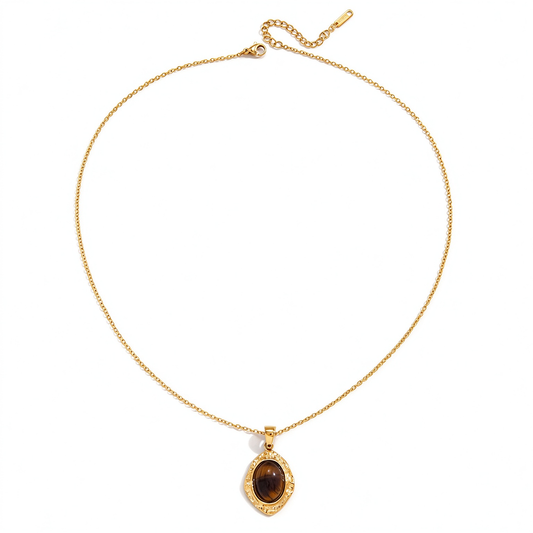
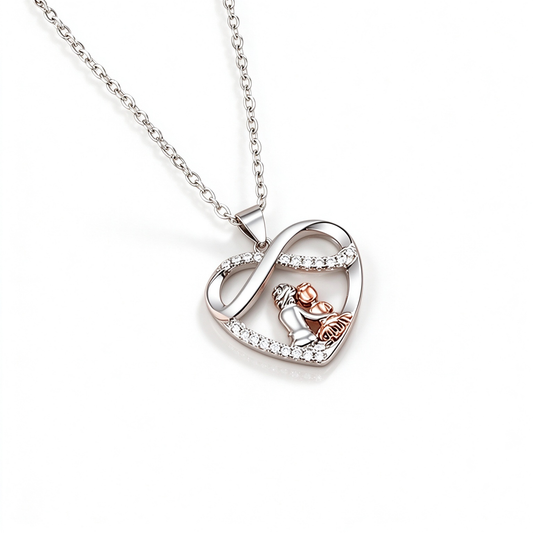
A pendant adds a focal point and can make a necklace feel more distinctive. Small geometric shapes, subtle charms, and simple decorative details are often easier to wear across different settings than highly specific designs.
Personalized pendants can be meaningful, too, but they require a little more thought. Initials, birthstones, and symbolic shapes may feel special when they reflect the recipient's preferences. They may be less suitable if you're unsure whether the person likes personalized jewelry.
Ask yourself one simple question: Would this person choose a similar design for themselves?
If the answer is probably yes, you're on the right track.
6. Match the Gift to the Occasion Without Overthinking It
The occasion can help narrow your options, but it shouldn't dictate the entire design.
For a birthday, choose something that reflects the recipient's everyday style or a detail you know they particularly like.
For an anniversary, you might choose a necklace that feels a little more personal or marks a shared memory.
For Mother's Day, consider her usual jewelry habits rather than assuming she wants a traditional or sentimental design.
For a holiday gift, a versatile necklace can be a good option because it doesn't have to be worn only on one special day.
And for a spontaneous gift, there's no need to invent a grand meaning. A piece that suits the recipient and shows that you paid attention can be thoughtful on its own.
The best gift is not always the most elaborate one. Sometimes, it's the necklace that fits naturally into someone's life.

7. Check the Details Before You Buy
Once you've found a style that seems right, take a moment to check the practical details.
Material and finish: Confirm whether the necklace is solid gold, gold-plated, sterling silver, or another material. Don't rely on the product photo alone.
Chain length: Check the stated length and whether an extender is included.
Pendant size: A pendant may look larger or smaller in a product photo than it does in real life. Look for measurements when available.
Clasp and construction: Read the product description and inspect the clasp and chain details, particularly if the necklace will be worn often.
Return and exchange policy: A gift may not be the right fit even when you've chosen carefully. Check the seller's policy before ordering, especially for personalized items that may have different return conditions.
Packaging and delivery: If the necklace is for a particular date, allow enough time for shipping and check whether gift packaging is available.
These details may not be the most exciting part of choosing jewelry, but they can make the buying experience much smoother.
8. What If You Still Don't Know What They Like?
If you're still uncertain, don't try to solve the problem by choosing the most expensive or most eye-catching necklace.
Instead, return to the basics:
-
Choose a simple design that works with everyday clothing.
-
Follow the metal color they already wear most often.
-
Look for an adjustable chain or an extender if length is uncertain.
-
Avoid highly personal symbols unless you know they would appreciate them.
-
Check the material description and return policy before purchasing.
You can also ask someone close to the recipient for a subtle hint, or casually notice which jewelry they wear most often.
A thoughtful gift doesn't require perfect knowledge. It requires paying attention to the details you can reasonably discover.
Final Thoughts
Choosing a necklace as a gift becomes easier when you focus less on finding a universally perfect piece and more on finding one that suits the person receiving it.
Their everyday style, preferred metal color, usual necklace length, and approach to accessories can all help you narrow the options. When you aren't sure, a versatile design and an adjustable chain can make the decision less stressful.
Most importantly, choose something you can imagine them wearing—not just something that looks beautiful in a gift box.
A necklace becomes a meaningful gift when it feels personal to the person who receives it and natural enough to wear again and again.
Frequently Asked Questions
What is a good necklace length to give as a gift?
An 18-inch necklace is a common starting point for many everyday styles, but it isn't a universal fit. Check the recipient's existing necklaces if possible, or choose an adjustable chain for more flexibility.
What kind of necklace is safest to give someone?
A simple, versatile design that matches the recipient's existing jewelry is a practical choice. Consider their preferred metal color and whether they usually wear delicate or statement pieces.
Should I give a gold or silver necklace?
Look at the metal color the person already wears most often. If they regularly mix metals, either may work. The material and finish should also be clearly stated in the product description.
Is a personalized necklace a good gift?
It can be, particularly when the personalization reflects something meaningful to the recipient. If you're unsure about their taste, a non-personalized design may be more versatile.
What should I check before buying a necklace as a gift?
Check the material, chain length, pendant measurements, return policy, and delivery timing. If the necklace will be worn regularly, consider whether its design suits the recipient's everyday routine.
Etiquetas:
Anterior
Why Does My Ring Spin Around on My Finger?
Siguiente
How to Choose a Ring for Everyday Wear
Artículos relacionados

How to Choose Jewelry for a Wedding Guest Outfit
Oct 29 2026


How to Choose Jewelry for Sensitive Skin
Oct 26 2026

How to Choose a Necklace for Your Body Type
Oct 25 2026


