

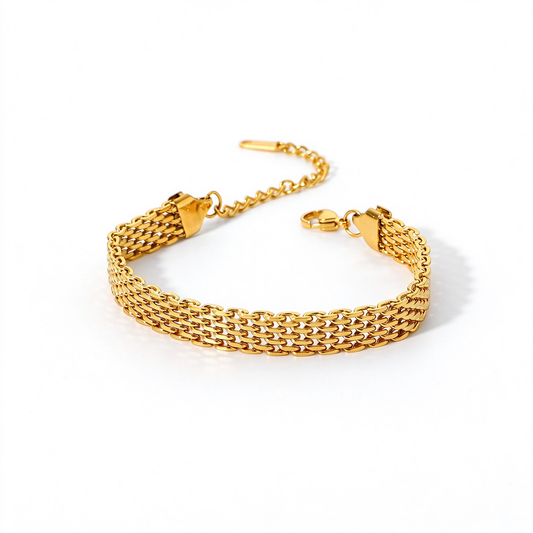

How Should a Bracelet Fit? A Simple Guide to Bracelet Sizing
A bracelet should feel comfortable enough that you forget you're wearing it, but not so loose that you're constantly pushing it back into place.
Finding that balance can be tricky when you're shopping online. A bracelet that looks delicate in a product photo might sit close to the wrist, while a chain bracelet with a little extra room may move more freely. Neither fit is necessarily wrong. What matters is the bracelet's design, your wrist size, and how you like your jewelry to feel.
Here's how to measure your wrist, choose a bracelet size, and avoid some common sizing mistakes.
How to Choose Everyday Jewelry That Matches Your Personal Style

How Tight Should a Bracelet Be?
For most everyday bracelets, a little room is ideal. The bracelet should move when you move your hand, but it shouldn't slide so far down your hand that it feels as though it might come off.
A simple way to check the fit is to pay attention to three things:
-
Movement: The bracelet can move slightly without sliding excessively.
-
Comfort: It doesn't pinch your skin, leave deep marks, or feel restrictive when you bend your wrist.
-
Security: It stays in a comfortable position instead of slipping over your hand during normal movement.
Some people prefer a close fit, especially with slim bangles or bracelets they wear alongside a watch. Others like a looser chain that shifts gently around the wrist. Both can work, as long as the bracelet feels secure and doesn't interfere with everyday activities.
How to Measure Your Wrist for a Bracelet
You don't need a special measuring tool to get a useful wrist measurement. A flexible measuring tape works best, but a piece of string and a ruler will also do the job.
Step 1: Measure Around Your Wrist
Wrap the measuring tape around the part of your wrist where you normally wear a bracelet. Keep it against your skin without pulling it tight.
If you're using string, mark where the ends meet, then lay the string flat against a ruler.
Write down the measurement in inches or centimeters. Make sure you record the unit so you don't confuse the measurement when comparing it with a store's size chart.
Step 2: Decide How You Want the Bracelet to Fit
Your wrist measurement is the starting point, not necessarily the finished bracelet length.
If you want a bracelet to sit close to your wrist, you'll generally need less extra room. If you prefer a chain bracelet that moves freely, you'll want more.
As a general starting point, consider adding around 0.5 inch (1.3 cm) for a close fit, 0.75 inch (1.9 cm) for a comfortable everyday fit, or 1 inch (2.5 cm) for a looser fit.
These are starting estimates, not universal sizing rules. The ideal amount of extra room depends on the bracelet's construction, width, clasp, and style.
Step 3: Check the Bracelet's Actual Length
Before ordering, look for the bracelet's listed length and check whether the measurement includes the clasp or an extender chain.
For example, a bracelet advertised as 7 inches long may fit differently from another bracelet with the same listed length if one has a bulky clasp or a rigid shape.
If the product page provides a size chart, use that information first. When in doubt, ask the seller whether the listed length refers to the full bracelet or the recommended wrist size.

How Much Extra Room Should a Bracelet Have?
The right amount of room depends partly on the type of bracelet you're buying.
Chain Bracelets
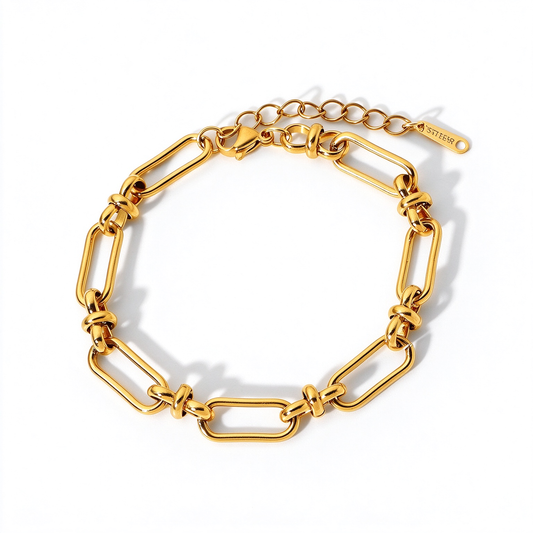
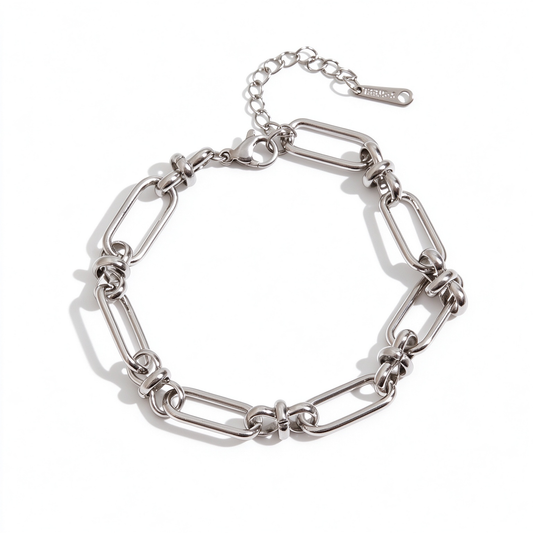
A chain bracelet usually looks and feels best with a little movement. If it's too tight, it can pull against the skin when you bend your wrist. If it's too loose, it may slide toward your hand or catch on things more easily.
For a typical chain bracelet, an additional 0.5 to 1 inch over your wrist measurement can be a useful starting range. Adjust that based on whether you prefer a close or relaxed fit.
Bangle Bracelets
Bangles need a different approach because many have a fixed shape and don't open with a clasp.
A bangle must be large enough to pass over the widest part of your hand, not just fit around your wrist. Measure the part of your hand that the bangle needs to pass over and compare it with the bangle's inner diameter.
If you're shopping for a rigid bangle online, check the seller's sizing instructions carefully. Wrist circumference alone may not tell you whether the bangle will go on comfortably.
Cuff Bracelets
Cuff bracelets often have an opening that allows you to put them on from the side of your wrist. The opening, inner diameter, and overall shape all affect how the cuff sits.
A cuff shouldn't squeeze your wrist or feel as though it could fall off with a small movement. Don't repeatedly force the cuff open or closed unless the maker specifically says it's designed to be adjusted that way. Doing so can weaken or deform the metal.
Beaded and Wide Bracelets
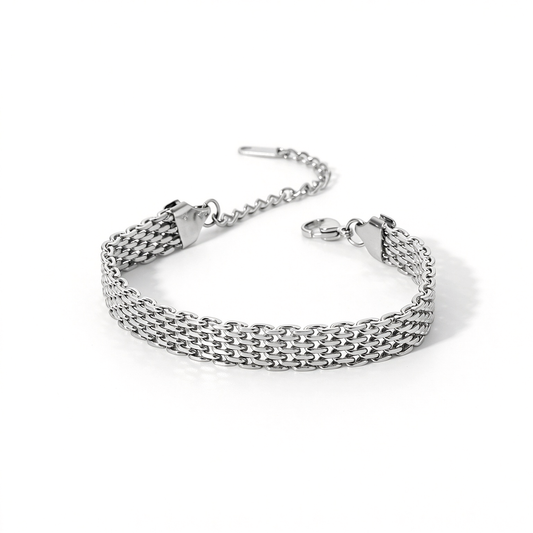
Beaded bracelets and wide designs can feel tighter than slim chains of the same length. Beads, rigid links, and broad surfaces don't always move around the wrist in the same way as a fine chain.
If you prefer a wider bracelet, pay particular attention to the listed measurements and customer sizing guidance. When possible, compare it with a bracelet you already own and find comfortable.
Why Does the Same Bracelet Size Feel Different on Different People?
Two people with the same wrist circumference may not find the same bracelet equally comfortable.
Wrist shape, hand size, bracelet width, and the way the clasp sits can all affect the fit. A bracelet with a heavy charm may also hang differently from a simple chain, even when both have the same total length.
Personal preference matters, too. Some people like their bracelets to stay in one place; others prefer a little movement. Think about how you plan to wear the piece rather than choosing a size based on appearance alone.
How to Choose the Right Bracelet Size When Shopping Online
Online shopping makes it harder to judge scale, so check the measurements before placing an order.
Here are a few things worth looking at:
-
The listed length: Confirm the bracelet's full length and whether an extender is included.
-
The style: A flexible chain, a rigid bangle, and a cuff require different sizing considerations.
-
The width: Wider designs may feel more substantial and less flexible on the wrist.
-
The closure: Check whether the clasp or opening will be easy for you to fasten and remove.
-
The return policy: Review the store's sizing and return information before ordering, particularly if you're between sizes.
You can also measure a bracelet you already wear comfortably. Lay it flat and measure from end to end, including the clasp if that's how the product's length is specified. Compare that measurement with the new bracelet's details, while keeping in mind that different designs may sit differently.

What If You're Between Bracelet Sizes?
If your wrist measurement falls between two available sizes, consider how the bracelet is made and how you want it to sit.
For a flexible chain bracelet, the larger size may be more comfortable if you prefer movement. For a bracelet with an adjustable extender, you may have more flexibility without needing to size up significantly.
With a rigid bangle, check the inner diameter and the size of your hand before choosing. A larger wrist measurement doesn't automatically mean a bangle will pass over your hand.
If the product has no sizing guidance and the measurements aren't clear, contact the seller before ordering. A quick question can save you the frustration of receiving a bracelet that doesn't fit the way you expected.
A Quick Bracelet Sizing Checklist
Before you buy, make sure you've:
-
Measured your wrist without pulling the tape too tight.
-
Decided whether you prefer a close, everyday, or loose fit.
-
Checked the bracelet's actual length and any extender.
-
Considered whether the design is flexible, rigid, narrow, or wide.
-
Reviewed the seller's size chart and return policy.
The best bracelet fit isn't about following one exact measurement. It's about finding a piece that sits comfortably, moves the way you like, and feels right for the way you'll wear it.
Tags:
Previous
Gold-Plated vs. Gold-Filled vs. Solid Gold: What's the Difference?
Next
How to Choose the Right Earring Size for Your Face
Related articles

How to Choose Jewelry for a Wedding Guest Outfit
Oct 29 2026


How to Choose Jewelry for Sensitive Skin
Oct 26 2026

How to Choose a Necklace for Your Body Type
Oct 25 2026


